- What is open mouth sleeping in kids and why does it matter?
- How can mouth breathing affect jaw development in children?
- Why does mouth breathing raise the risk of cavities in kids?
- How does open mouth sleeping impact gum health in children?
- What signs might suggest your child is mouth breathing during sleep?
- What are the most common causes of mouth breathing in children?
- How do pediatric and airway focused dental teams evaluate breathing and oral health?
- What can you do at home to support nasal breathing and oral health?
- When should you see a pediatric dentist or request an early orthodontic evaluation?
- How do dentists, pediatricians, and ear nose and throat specialists work together for pediatric airway health?
- What should parents know about myofunctional therapy and tongue posture training?
- What is sleep disordered breathing in kids and how is it diagnosed?
- What local factors in Orange County CA should families know about?
- What California and national regulations relate to pediatric dental care and airway concerns?
- What frequently asked questions do parents have about mouth breathing, jaw growth, and oral health?
- Who is Kidz Modern Dentistry and how can we help your family take next steps?
- References
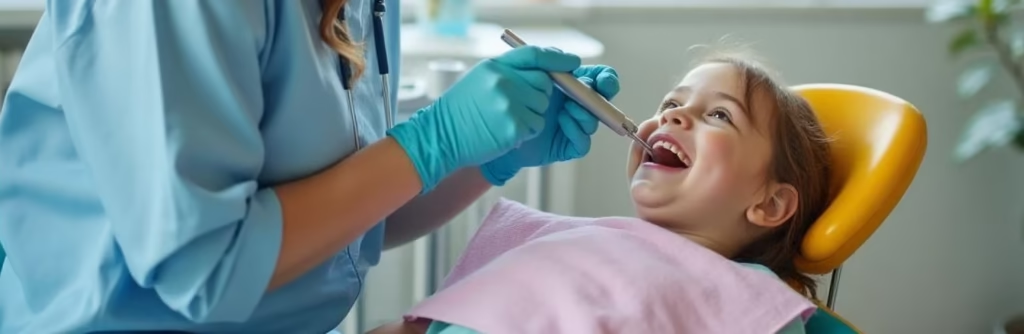
What is open mouth sleeping in kids and why does it matter?
Open mouth sleeping in kids happens when a child sleeps with lips apart and air enters through the mouth instead of the nose. In some children this is occasional during a cold, but in others it becomes a nightly habit. Consistent mouth breathing can dry the mouth, disrupt sleep quality, and influence how the jaws and face grow over time. Pediatric dentists and physicians pay attention to this pattern because it can relate to sleep disordered breathing, increased cavity risk, and gum irritation [3] [5].
When we breathe through our nose, it filters, warms, and humidifies the air. This process not only helps in positioning the tongue gently against the palate but also supports proper jaw development and maintains broad dental arches. Mouth breathing, on the other hand, introduces unfiltered air into the system and causes the tongue to droop away from the palate. This could potentially narrow the dental arch over time and alter the way teeth come together as they grow in [3].
If you are noticing snoring, restless sleep, daytime sleepiness, frequent dry mouth, or recurring cavities despite good brushing, it is reasonable to ask a pediatric dentist or pediatrician to screen for airway related issues and sleep disordered breathing [3] [6].
How can mouth breathing affect jaw development in children?
Jaw development in children follows predictable patterns influenced by genetics, muscle function, tongue posture, and breathing patterns. When nasal breathing is dominant and the tongue rests on the palate, the upper jaw can widen properly, helping teeth align and creating space for the developing bite. With habitual mouth breathing, the tongue is often low and forward, which may contribute to a narrower upper jaw and changes in facial growth patterns over time [3].
What role does tongue posture play in facial growth?
The resting position of the tongue plays a crucial role in supporting the palate much like a natural expander. Children with persistent mouth breathing or tongue tie issues may exhibit a low tongue posture which can affect the shape of the dental arches over time, potentially leading to crowding. Recognizing and addressing these concerns early on can help promote healthier growth patterns and reduce the need for more complex care later. However, each child’s specific needs should be assessed individually by an appropriate healthcare professional [3] .
Could early evaluation help guide growth in a timely way?
Early orthodontic evaluations are typically recommended around age seven by both orthodontists and pediatric dental communities in order to monitor growth and bite as adult teeth begin to emerge. It’s essential to understand that an early evaluation doesn’t mean treatment will start right away; it simply establishes a baseline and creates a window of opportunity for guidance if airway or growth concerns are identified [7] .
Why does mouth breathing raise the risk of cavities in kids?
Saliva protects teeth by neutralizing acids and washing away food particles. It also brings in minerals like calcium and phosphate that support the natural repair cycle of tooth enamel. When a child sleeps with an open mouth, airflow can dry the saliva layer and reduce its protective effects. A drier mouth can shift the balance toward bacterial acid production and increase the risk of tooth decay, especially along the gumline and on chewing surfaces where plaque can collect [2].
What do national health organizations say about cavities in children?
Cavities are among the most common chronic conditions in childhood, yet they are largely preventable with daily hygiene, fluoride exposure where indicated, healthy eating patterns, and regular dental checkups [1]. For young children, professional fluoride varnish is recommended in primary care settings for those at increased risk, which can help lower the chance of decay beginning early in life [4].
How can we reduce decay risk when dry mouth is present?
- Prioritize gentle nasal breathing support Work with your pediatrician to address allergies or congestion that may contribute to mouth breathing [5].
- Boost daily hygiene for plaque control Brush twice daily with fluoride toothpaste in an age appropriate amount and floss where teeth touch [1].
- Consider professional fluoride varnish Ask your dentist or physician if your child could benefit from varnish applications based on risk factors [4].
- Steer snacks toward tooth friendly choices Offer water routinely and limit frequent sipping of sugary or acidic drinks that keep the mouth in an acidic state [1].
How does open mouth sleeping impact gum health in children?
When air passes over the gums during sleep, tissues may dry out and become more susceptible to irritation. A dry environment can facilitate the accumulation of plaque near the gumline, leading to inflamed gums. Healthy gums are less prone to bleeding and promote tooth stability. Supporting nasal breathing and maintaining proper oral hygiene can keep moisture levels high, minimize plaque buildup, and protect gum health in children. [2] [1]
What signs might suggest your child is mouth breathing during sleep?
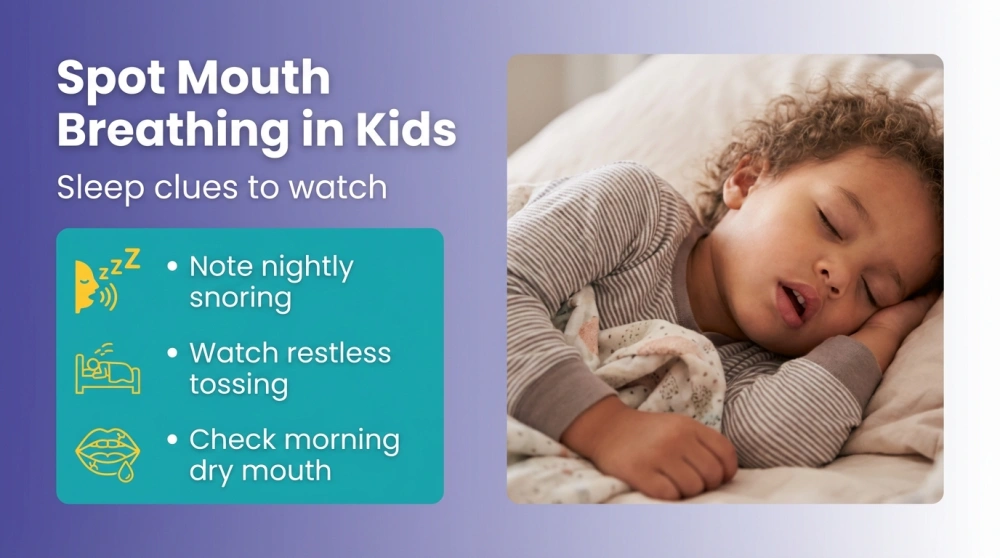
- Snoring on a regular basis Nightly or frequent snoring can be a sign to discuss with your pediatrician for airway assessment [6] [5].
- Restless sleep with frequent position changes Children who toss and turn may experience fragmented sleep linked with breathing effort [3].
- Morning dry mouth or chapped lips Dryness on waking suggests overnight mouth breathing that reduces saliva protection [2].
- Daytime sleepiness or behavioral changes Tiredness, mood swings, or attention challenges can be associated with disrupted sleep quality [3].
- At rest, the open mouth position typically has one’s lips slightly separated and the tongue in a low position. This posture is often visible during daylight hours.
- Recurring cavities near the gumline Increased decay in dry areas can be a clue to raise with your dental team [1].
What are the most common causes of mouth breathing in children?
Common factors include nasal congestion from allergies, enlarged tonsils and adenoids, structural nasal differences, and habits such as thumb or finger sucking that change tongue position. Each child presents a unique combination of factors, so a careful health history and exam are important. Depending on findings, your dentist may coordinate with your pediatrician or an ear nose and throat specialist for further evaluation [6] [5].
Could allergies and environmental triggers contribute to mouth breathing?
Seasonal or environmental allergies can cause nasal swelling and congestion, which may push a child toward mouth breathing at night. Addressing allergy triggers and discussing appropriate treatments with a pediatrician can improve nasal airflow and sleep quality, which benefits oral moisture and overall comfort [5].
How do enlarged tonsils and adenoids affect airway and sleep?
In some children, enlarged tonsils and adenoids can narrow the airway and contribute to snoring or obstructive breathing during sleep. When suspected, pediatricians and otolaryngologists can assess and determine whether watchful waiting, medical therapy, or a procedure is appropriate based on established guidelines and each child’s health profile [6] [5].
How do pediatric and airway focused dental teams evaluate breathing and oral health?
Evaluation begins with a detailed history that explores sleep patterns, snoring, congestion, mouth opening at night, daytime behavior, and dental history. The clinical exam looks at facial growth patterns, lip seal, tongue posture, tooth alignment, wear patterns, gum health, and areas where plaque tends to collect. If concerns about sleep disordered breathing emerge, your dental team may communicate with your pediatrician about next steps and medical evaluation because formal diagnosis of sleep apnea is made in the medical setting [3] [6].
What dental tools or records might be helpful?
- Photographs and digital models Records can help track growth, tongue posture, and arch width over time.
- Targeted radiographs when indicated Dental X rays are used judiciously to evaluate tooth development and jaw relationships. In California, radiographic safety and equipment are regulated at the state level for patient protection [9].
- Growth and bite monitoring Periodic checks help identify changes early and inform referrals or timing of interceptive orthodontic care.
Families sometimes ask about habit support as part of airway care. Oral habit counseling can guide gentle strategies to improve lip seal and tongue rest posture as part of a broader plan with your child’s medical providers.
Parents in our community often look for Oral habit counseling in Laguna Niguel to better understand how day to day routines can support comfortable nasal breathing and healthier oral development in growing kids.
What can you do at home to support nasal breathing and oral health?
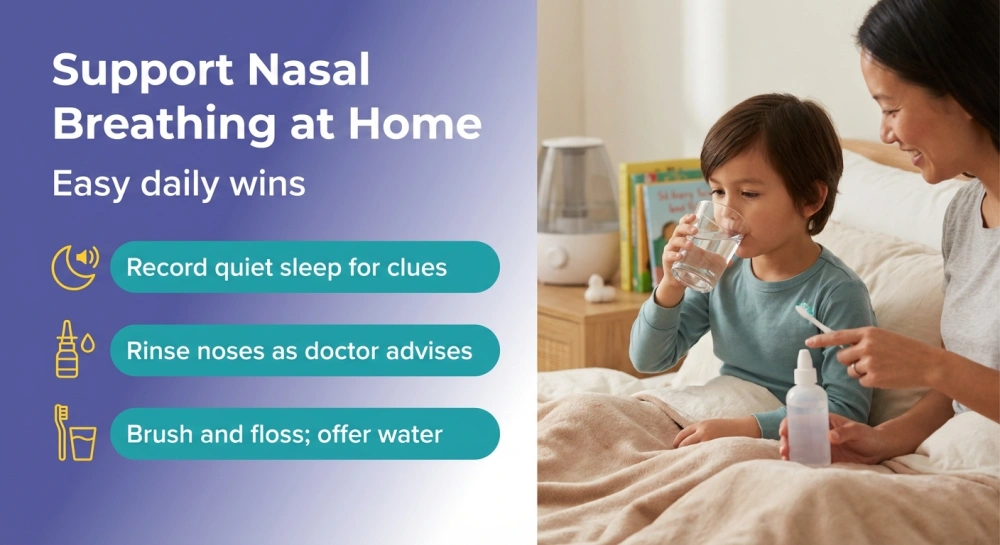
- Watch sleep patterns without alarms or screens A short video taken quietly can help your providers understand typical breathing and snoring, if present [6].
- Support nasal hygiene Ask your pediatrician about gentle nasal rinses or other age appropriate options if congestion is common [5].
- Keep up with brushing and flossing routines Clean plaque thoroughly at the gumline and on chewing surfaces to lower decay risk in a dry mouth setting [1] [2].
- Offer water regularly Hydration helps saliva do its job protecting teeth and gums [2].
- Limit frequent sugary snacks Reduce between meal sugar exposures to allow saliva to neutralize acids and help enamel recover [1].
- Discuss fluoride varnish with your care team Varnish applications can help children at higher risk for cavities, especially where dry mouth is a concern [4].
When should you see a pediatric dentist or request an early orthodontic evaluation?
Consider scheduling with a pediatric dentist if your child snores most nights, breathes through the mouth during sleep, has persistent morning dry mouth, or develops frequent cavities despite good brushing. Ask about an early orthodontic evaluation around age seven, particularly if you notice crowding, crossbites, or an open mouth posture at rest. Monitoring growth does not obligate treatment. It creates the chance to guide development when it is most effective [7].
How do dentists, pediatricians, and ear nose and throat specialists work together for pediatric airway health?
Airway concerns in children often benefit from a team approach. Pediatric dentists identify oral signs linked with mouth breathing and sleep disordered breathing, while pediatricians evaluate overall health, growth, and sleep history. Otolaryngologists assess the nose, tonsils, and adenoids. When needed, board certified sleep physicians direct testing and diagnosis of sleep apnea. This collaboration supports safe, evidence based decisions that fit each child’s needs [3] [6].
How is diagnosis of sleep apnea established?
Diagnosis of obstructive sleep apnea in children is a medical determination and typically involves an overnight sleep study under the guidance of a sleep medicine team. Dentists can screen and refer based on oral and behavioral signs, but they do not diagnose sleep apnea. Once a diagnosis is made, dental and medical providers coordinate to support airway and oral health together [3] [6].
What should parents know about myofunctional therapy and tongue posture training?
Myofunctional therapy is a set of exercises and strategies that aim to improve tongue posture, lip seal, and orofacial muscle patterns. Some studies suggest that myofunctional therapy can support improvements in breathing patterns and may be considered as part of a multidisciplinary plan, especially after medical management of airway obstruction. Evidence continues to evolve, and outcomes vary by child and by adherence to exercises. Families should discuss whether this option is appropriate with their medical and dental providers and consider it as an adjunct rather than a stand alone solution [8] [6].
How can therapy align with dental guidance for growth?
When growth guidance or interceptive orthodontic care is being considered, habit support that reinforces nasal breathing and proper tongue rest posture can complement care. Consistency is key. A coordinated plan that includes your pediatrician and dental team helps set realistic goals and timelines based on your child’s age and growth pattern [7].
Families often ask where to start for guidance on routines that support nasal breathing as part of daily life. In many cases, Oral habit counseling offers a gentle entry point to understand posture, sleep routines, and age appropriate exercises that fit your child and family.
What is sleep disordered breathing in kids and how is it diagnosed?
Sleep disordered breathing describes a range of nighttime breathing difficulties from primary snoring to obstructive sleep apnea. In children, symptoms can include habitual snoring, gasping or pauses, restless sleep, bedwetting, morning headaches, daytime sleepiness, or behavioral concerns. Screening begins with history and exam, and diagnosis of obstructive sleep apnea is made in the medical setting through clinical evaluation and sleep testing when indicated [3] [6].
What treatments might be discussed after diagnosis?
- Medical management of nasal congestion Allergy treatment and nasal hygiene can improve airflow and comfort [5].
- Adenotonsillectomy when appropriate In some children, removal of enlarged tonsils and adenoids may be considered by an otolaryngologist based on established criteria [6].
- Positive airway pressure therapy for certain cases Sleep medicine teams may recommend this when other measures are not adequate or appropriate [6].
- Adjunctive dental and habit support Dental teams can address oral health risks, monitor growth, and provide guidance on habits, hygiene, and risk reduction strategies [1] [2].
What local factors in Orange County CA should families know about?
Families in Laguna Niguel, Laguna Hills, Aliso Viejo, Laguna Beach, Mission Viejo, and San Juan Capistrano often balance school, sports, and busy evenings. Consistent routines help protect sleep and oral health. If your child participates in outdoor activities during allergy seasons, plan ahead with your pediatrician for strategies that reduce nasal congestion and support nasal breathing at night [5].
Local water quality and fluoride exposure can vary by community. Your dental team can discuss individualized fluoride guidance that reflects your child’s risk level and daily routines [4] [1].
What California and national regulations relate to pediatric dental care and airway concerns?
In California, the Dental Board of California licenses dentists and oversees permits related to sedation and standards of care in dental settings. If your child requires any form of sedation for dental procedures, your pediatric dentist follows state regulations for training, monitoring, and safety [10].
Dental radiography is regulated at the state level through the Radiologic Health Branch of the California Department of Public Health, which provides oversight for radiation safety, equipment registration, and protection standards. Pediatric dentists use radiographs only when the expected diagnostic benefit outweighs risk and follow principles to keep exposure as low as reasonably achievable [9].
Diagnosis and treatment of sleep apnea occur in the medical setting under physician guidance, informed by national resources from sleep medicine and public health organizations. Dental teams screen and coordinate care to support the best outcome for each child [6] [5].
What frequently asked questions do parents have about mouth breathing, jaw growth, and oral health?
Could mouth breathing go away on its own as my child grows?
Sometimes mouth breathing lessens as congestion resolves or after medical care for tonsils and adenoids. If signs persist, especially nightly snoring, morning dry mouth, or daytime sleepiness, discuss a focused evaluation with your pediatrician and pediatric dentist so that oral health and growth are supported during key developmental years [6].
Is snoring always a sign of obstructive sleep apnea in children?
No. Snoring can be primary without airway obstruction or can occur as part of a broader pattern of sleep disordered breathing. Persistent snoring deserves a medical discussion to determine next steps. Dental teams can help screen and coordinate, but medical diagnosis is essential before treatment decisions are made [6] [5].
Can improving nasal breathing reduce cavity risk?
Supporting nasal breathing can help maintain oral moisture, which helps saliva protect teeth against acid attacks. This support, paired with brushing, flossing, fluoride guidance, and smart snacking, can reduce risk over time. Your dentist can tailor a plan that fits your child’s age and health history [2] [1].
When is myofunctional therapy considered for kids?
Myofunctional therapy may be considered after medical contributors are addressed and when a team agrees that posture and muscle patterns could benefit from structured exercises. It is generally part of a bigger plan rather than a stand alone treatment and results vary. Consistency and collaboration with healthcare providers matter most [8].
Should my child have a sleep study before seeing a dentist about airway concerns?
You do not need a sleep study before a dental screening. A pediatric dentist can evaluate oral signs and share findings with your pediatrician. If medical evaluation suggests possible obstructive sleep apnea, a sleep study may be recommended to guide treatment [6].
What if my child has braces or expanders and still snores?
Orthodontic treatment can improve space for teeth and influence oral volume, but snoring relates to the airway and sleep. Keep your medical team informed. Persistent snoring or observed pauses in breathing should be evaluated by a pediatrician or sleep specialist regardless of orthodontic treatment status [6].
Do dental sealants help if my child mouth breathes?
Sealants protect the deep grooves of molars where plaque and food can lodge. They are helpful for many children and can be especially beneficial when saliva protection is reduced at night. Your dentist will recommend sealants based on your child’s tooth anatomy and caries risk [11].
Who is Kidz Modern Dentistry and how can we help your family take next steps?
At Kidz Modern Dentistry, we support children and families across Laguna Niguel, Laguna Hills, Aliso Viejo, Laguna Beach, Mission Viejo, and San Juan Capistrano with comprehensive pediatric care that considers airway, growth, and everyday oral health. Our goal is to help you understand how sleep, breathing, and habits connect with cavities and gum health so you can make informed choices for your child.
How do our services relate to pediatric airway and oral health?
- Screening with a whole child view We look at sleep history, breathing patterns, tongue posture, and growth along with teeth and gums to identify risk early.
- Personalized prevention plans We tailor hygiene coaching, fluoride guidance, and sealant recommendations based on your child’s risk profile and daily routines.
- Habit guidance that fits family life We provide clear strategies to build lip seal, healthy swallowing, and consistent nighttime routines through caring Oral habit counseling that matches your child’s age and needs.
- Collaboration with your medical team We coordinate with pediatricians, otolaryngologists, allergists, and sleep specialists to align care when airway concerns are present.
Where do we operate and how can you reach us?
We serve families throughout Orange County from our home base in Laguna Niguel. If you live in nearby Laguna Hills, Aliso Viejo, Laguna Beach, Mission Viejo, or San Juan Capistrano, our team is ready to help. Call us at +1 949 273 0110 to schedule a friendly visit that focuses on your child’s comfort and questions.
What is our unique approach and methodology?
- Comfort centered care We use age appropriate communication and kid friendly techniques so children feel safe and heard at every visit.
- Data informed decisions We review growth records, cavity history, and habits to create clear next steps that make sense for your family.
- Team guided pathways When airway concerns arise, we partner with your pediatrician and medical specialists to ensure care stays coordinated and evidence informed.
How do we leverage tools and processes to support your child?
- Risk based prevention We match professional fluoride varnish and sealant timing to your child’s risk profile, consistent with national recommendations where applicable [4] [11].
- Growth and bite monitoring We schedule periodic checks to follow facial growth, tongue posture, and bite development over time for timely interventions if needed.
- Clear communication We summarize findings in plain language so you can share details with your pediatrician or other specialists when needed.
What experience, leadership, and results guide our care?
- Dedicated pediatric focus Our team cares only for children, from toddlers to teens, so our systems and environment are built for growing smiles.
- Support for complex needs We help families navigate concerns like snoring history, mouth breathing, recurring cavities, and gum irritation with calm, stepwise plans.
- Community commitment We serve families across Orange County and welcome questions at any stage, whether you are seeking a second opinion or getting started.
If you are ready to explore gentle strategies for healthier sleep and smiles, our team can help you start with small, practical steps. For many families, beginning with Oral habit counseling is a simple way to learn routines that support nasal breathing and better oral health. We are here to walk with you from first questions to confident daily habits.
References
- Children’s Oral Health Basics – Centers for Disease Control and Prevention
- Dry Mouth Overview – National Institute of Dental and Craniofacial Research
- Pediatric Obstructive Sleep Apnea – StatPearls, NCBI Bookshelf
- Prevention of Dental Caries in Young Children Fluoride Varnish – U.S. Preventive Services Task Force
- Sleep Apnea Overview – National Heart Lung and Blood Institute
- Obstructive Sleep Apnea in Children – American Academy of Otolaryngology Head and Neck Surgery
- Oral Health Policies and Recommendations – American Academy of Pediatric Dentistry
- Efficacy of Myofunctional Therapy in the Treatment of Obstructive Sleep Apnea – PubMed Central
- Radiologic Health Branch – California Department of Public Health
- Dental Board of California – State of California
- Dental Sealants Prevent Cavities – Centers for Disease Control and Prevention
- Obstructive Sleep Apnea Education – American Academy of Sleep Medicine
Common Questions About This Topic
Find answers to frequently asked questions related to this article.