
- What are tooth colored composite fillings for kids?
- Are composite fillings safe for children today?
- What should parents know about BPA in dental fillings?
- How do composite fillings compare to amalgam for kids?
- How long do tooth colored fillings last in baby and permanent teeth?
- When are fillings recommended for baby teeth vs watchful waiting?
- What materials and techniques improve safety and durability?
- What happens during a kids cavity treatment appointment?
- Which pain control and sedation options are available for children?
- How do you care for a child after a white filling?
- What does research say about long term outcomes in children?
- What California and federal regulations apply to pediatric fillings?
- Who is a good candidate for BPA free composite fillings?
- How can parents minimize future cavities with prevention?
- Why choose a local pediatric dentist in South Orange County?
- How does Kidz Modern Dentistry support your family in South Orange County?
- References
What are tooth colored composite fillings for kids?
Tooth colored fillings for kids are resin based materials that restore a tooth after a cavity is removed. You might also hear them called composite fillings for children or white fillings for kids. These materials bond to tooth structure, blend with natural enamel, and can help preserve more healthy tooth than some older options when placed appropriately [9]. In pediatric dentistry, composites are commonly used in both baby and permanent teeth when decay is small to moderate in size and the tooth can be isolated to keep the area dry during treatment [11].
Many parents ask about Pediatric tooth-colored fillings and how they are placed. In short, after your child is comfortable, the dentist removes the decay, prepares the surface, and bonds a tooth colored material that is shaped and polished so it looks and feels natural [9]. For young children, the approach emphasizes comfort, gentle communication, and efficient steps to minimize time in the chair while achieving a strong, long lasting result.
Composite technology continues to improve. Today’s materials are designed for strength, wear resistance, and color stability, and they can be used in front teeth and back teeth when the situation is appropriate [9]. Your child’s cavity treatment plan is based on the size and location of decay, bite forces, oral hygiene, and individual risk factors discussed at the exam [11].
Are composite fillings safe for children today?
Yes, composite fillings are widely used in children and are considered safe when placed according to professional standards. In the United States, resin based composites and dental adhesives are medical devices regulated by the Food and Drug Administration, which reviews data on safety and effectiveness [4]. Professional organizations also provide practice guidance that supports the use of composites in pediatric patients when clinically indicated [11].
Parents sometimes worry about chemicals in dental materials. The American Dental Association has reviewed available evidence and reports that potential exposure to certain substances from dental sealants and composites is very low and occurs over a short time frame, with levels far below established health benchmarks [2]. The American Academy of Pediatric Dentistry similarly notes that steps during placement can further reduce potential exposure, and that the overall benefit of preventing or stopping tooth decay is significant for child health [3].
It is also important to remember that untreated tooth decay can lead to pain, infection, missed school days, and difficulty eating and sleeping. Tooth decay remains one of the most common chronic conditions in childhood in the United States, so treating cavities promptly helps protect your child’s well being [1].
What should parents know about BPA in dental fillings?
BPA stands for bisphenol A, a chemical used in the manufacture of some plastics. Some dental materials are formulated using related compounds. The American Dental Association reports that if any trace BPA is present from dental sealants or composite fillings, it is typically a very small amount that decreases quickly after placement, and available data indicate low risk at those exposure levels [2]. The American Academy of Pediatric Dentistry recommends techniques such as thorough polishing and rinsing after placement to further reduce any potential exposure [3].
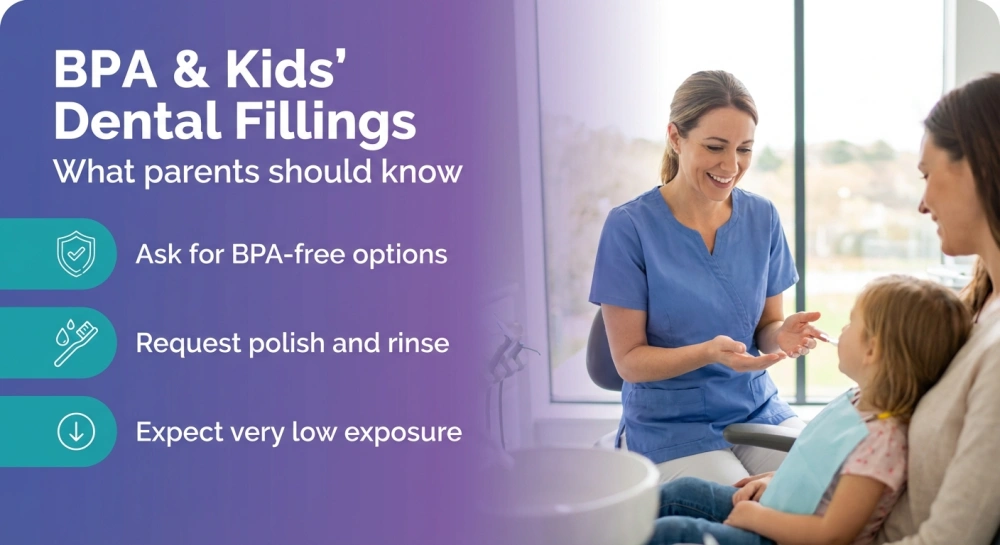
In California, BPA is listed under Proposition 65, which requires businesses to provide warnings about significant exposures to chemicals that cause cancer or reproductive harm. This listing does not ban the chemical but informs consumers. Dental teams can discuss material choices and placement steps to address your concerns and follow current best practices [8]. If you prefer BPA free composite fillings, let your dental provider know so the team can review product specifications and discuss options that align with your family’s preferences [2][3].
Open conversation is encouraged. Ask which products are used in the office, how they are handled during placement, and what additional steps are taken to reduce any potential exposure. A transparent approach helps you make an informed decision that balances safety, durability, and appearance for your child’s smile [2][3].
How do composite fillings compare to amalgam for kids?
Composite and amalgam are both restorative materials used to repair cavities. Amalgam is a silver colored alloy that has been used for decades. Composite is a tooth colored material that bonds to the tooth. When we compare them for children, several points matter.
- Appearance matters to many families Composite blends with natural enamel, which is often preferred for front teeth and for older children concerned with appearance.
- Tooth preservation is a priority Composite is bonded and can allow conservative preparations when placed in appropriately sized cavities and a dry field, which may preserve more healthy tooth in select cases [9].
- Moisture control affects results Composite placement requires good isolation to keep the tooth dry during bonding. Pediatric dentists use tools like rubber dams, cotton rolls, or isolation devices to create a suitable environment for a predictable result [11].
- Longevity depends on many factors The scientific literature suggests that both materials can perform well. Outcomes depend on cavity size and location, your child’s bite, hygiene, and follow up care. Current summaries of evidence indicate composites are an appropriate option for primary teeth in many situations [10][11].
- Regulatory perspective is informative The FDA provides information about dental materials. It has issued special communications regarding amalgam use in certain high risk groups while resin based composites are also regulated with special controls for safety and effectiveness [4][14].
For most day to day needs in a modern pediatric setting, tooth colored options meet families’ goals for function and appearance when isolation is achievable and the cavity is appropriately sized. Your child’s dentist will explain why a specific material is recommended for each tooth.
How long do tooth colored fillings last in baby and permanent teeth?
Longevity varies widely and is influenced by cavity size and depth, bite forces, oral hygiene, diet, and whether your child attends regular checkups. Studies of pediatric restorations show that composite fillings can perform successfully in primary teeth, with survival rates influenced by the same clinical and behavioral factors that affect all restorations [10][11]. In permanent teeth of children and teens, composites are also widely used and can serve for many years with proper care and routine maintenance [9].
It helps to think of a filling as part of a longer plan. Preventive visits, fluoride, sealants when indicated, and daily brushing and flossing extend the life of any restoration. If a filling does wear or if a new cavity forms at the edge, timely touch ups can keep the tooth healthy and avoid more extensive treatment later [11].
When are fillings recommended for baby teeth vs watchful waiting?
Baby teeth matter for chewing, speaking, guiding adult teeth, and your child’s comfort and self confidence. Whether a cavity in a baby tooth should be filled or monitored depends on several factors considered during the exam.
- Size and depth of decay Small enamel only spots may be monitored with preventive care, while decay that has reached dentin or is progressing often benefits from a filling [11].
- Risk of spread Cavities in grooved chewing surfaces or between teeth tend to spread. In these cases, timely restoration reduces the chance of pain and infection [11].
- Child’s age and time to natural tooth loss If a tooth is close to falling out on its own and the cavity is small and not sensitive, monitoring may be reasonable. If the tooth will remain for a year or more and decay is active, treating sooner is often recommended [11].
- Symptoms and risk Any pain, sensitivity, or visible holes need prompt attention. Children with higher cavity risk may benefit from earlier treatment to prevent complications [11].
We discuss pros and cons with you so the plan fits your child’s needs. Our goal is to stop decay, relieve discomfort, and preserve tooth structure in a calm, child centered visit.
What materials and techniques improve safety and durability?
The way a filling is placed matters as much as the material itself. Pediatric dentists follow protocols that are designed to enhance safety, strength, and comfort.
- Careful isolation Keeping the tooth dry during bonding supports a lasting seal and helps prevent sensitivity. Rubber dam or other isolation systems are common choices [11].
- Selective caries removal Removing soft, infected dentin while avoiding unnecessary removal of healthy tooth helps preserve structure and reduce the risk of sensitivity or pulp irritation [11].
- Adhesive selection Modern dental adhesives are engineered for strong bonding and are cleared for clinical use through federal oversight [4].
- Polishing and rinsing Thorough polishing and rinsing after placement reduces any potential residual monomers at the surface and is recommended by pediatric dental authorities [3].
- Regular maintenance Checkups allow early detection of wear or new decay at the margin, so small touch ups can keep the filling working well [11].
If you prefer products that are labeled as BPA free composite fillings, let your dentist know during the consultation so they can review options, discuss product data, and outline placement techniques designed to minimize potential exposure [2][3].
What happens during a kids cavity treatment appointment?
Knowing what to expect helps kids and parents feel comfortable. A typical appointment for pediatric tooth colored fillings follows a predictable sequence tailored to your child’s age and comfort level.
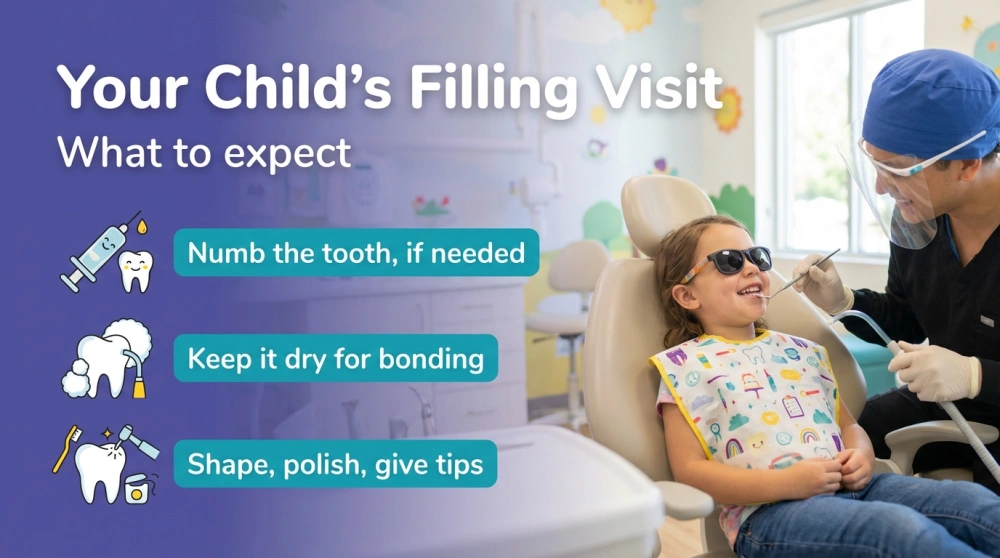
- Warm welcome and explanation The team uses child friendly language to explain each step and answer questions so your child feels included and supported.
- Numbing the tooth if needed Topical gel is placed first. Local anesthetic is used when necessary so treatment is comfortable. Your child’s safety and comfort are the priority.
- Tooth isolation The dentist keeps the tooth dry with a rubber dam or other isolation system to help the filling bond well [11].
- Gentle decay removal Soft decay is removed while preserving healthy structure. The tooth is then prepared for bonding.
- Bonding and layering The composite is placed in small increments and light cured for strength and shape [4].
- Shaping and polishing The restoration is shaped to fit your child’s bite and polished so it looks and feels natural.
- Post care guidance You receive instructions for eating, brushing, and sensitivity management to support a smooth recovery.
Laguna Niguel Pediatric tooth-colored fillings are part of a complete pediatric care plan that also includes prevention, education, and regular checkups. If your child is anxious, your pediatric dentist can discuss behavior guidance and sedation options that fit your child’s needs and meet safety guidelines [6].
Which pain control and sedation options are available for children?
Pain control and anxiety management are key parts of pediatric care. The American Academy of Pediatric Dentistry describes a spectrum of behavior guidance and sedation approaches that can be tailored to your child’s needs and medical history [6].
- Tell show do and positive reinforcement Age appropriate communication helps many children complete care comfortably without medication.
- Local anesthesia Numbing the tooth keeps the procedure comfortable and is standard for many fillings.
- Nitrous oxide oxygen Also called laughing gas, this can reduce anxiety and improve cooperation while your child remains awake. It has a strong safety record when monitored properly [6].
- Moderate sedation or general anesthesia For some children with high anxiety, special health care needs, or extensive treatment needs, deeper options may be considered. These must follow strict monitoring and safety standards and in California require appropriate anesthesia permits for providers and settings [6][7].
The choice is made collaboratively with you after reviewing benefits, risks, and alternatives. Your dental team will take a thorough medical history and follow established monitoring protocols throughout any sedation appointment [6].
How do you care for a child after a white filling?
Recovery after a white filling is typically smooth. Mild sensitivity to cold can occur for a short time, especially with deeper cavities, and usually resolves as the tooth settles.
- Wait until numbness wears off Offer soft foods and encourage your child not to chew their cheeks or lips while numb.
- Use a child safe pain reliever if advised If your dentist recommends it, over the counter options can help with minor soreness. Always follow dosing directions.
- Resume normal brushing and flossing Keep the area clean to support healing and prevent new decay around the filling edges.
- Watch the bite If the tooth feels high after the numbness fades or if your child has ongoing sensitivity, call the office for a quick adjustment.
- Schedule checkups Regular visits let the dentist confirm the filling is performing well over time [11].
What does research say about long term outcomes in children?
Evidence from systematic reviews and professional guidelines supports the use of composite fillings in primary teeth under appropriate conditions. Reviews report that resin based composites can have favorable clinical performance, with outcomes influenced by cavity size, tooth location, moisture control, and patient specific factors such as oral hygiene and diet [10][11]. In permanent teeth of children and adolescents, composites are standard of care for many lesions and can be maintained successfully with regular checkups and preventive care [9].
No dental material lasts forever. The goal is to select a restoration that balances strength, appearance, and tooth preservation while fitting your child’s risk profile. When treatment is paired with prevention and follow up, children can enjoy healthy, comfortable smiles throughout their growing years [11].
What California and federal regulations apply to pediatric fillings?
Dental materials and pediatric care are guided by federal and state frameworks. At the federal level, resin based composites and dental adhesives are medical devices overseen by the Food and Drug Administration, which provides device classifications and safety information [4]. The FDA also offers recommendations regarding the use of dental amalgam in certain higher risk populations, and this informs treatment planning in pediatric care [14].
In California, the Dental Board of California regulates licensure and sedation permits for dentists who provide moderate sedation and general anesthesia. Practices that offer these services must meet permit requirements and follow monitoring standards that align with professional guidelines for children [7][6]. California’s Proposition 65 lists BPA, and dental providers can address questions about material composition and placement techniques that minimize potential exposure [8].
Dental infection control follows national guidance from the Centers for Disease Control and Prevention, which sets expectations for sterilization, personal protective equipment, and safe practices in dental settings [12]. Radiographs, when needed for diagnosis, are taken according to ADA and FDA recommendations that use the lowest radiation dose necessary and follow individualized schedules based on risk and age [5].
Who is a good candidate for BPA free composite fillings?
Most children with small to moderate cavities in baby or permanent teeth can be candidates for tooth colored fillings. Good candidates typically include children who can tolerate isolation to keep the area dry, have cavities that are not too large or deep, and have a care plan that includes prevention and follow up.
- Small to medium cavities These are often ideal for bonded composites that preserve healthy tooth while restoring strength [11].
- Front teeth or visible areas White fillings for kids blend in and can be shaped for a natural look, which many families appreciate.
- Families requesting specific materials If you are looking for BPA free composite fillings, share your preferences so the team can review product details and placement steps with you [2][3].
- Children with manageable moisture control Success improves when the tooth can be kept dry during bonding using tools like a rubber dam [11].
When decay is extensive or the tooth structure is compromised, your pediatric dentist may recommend alternative treatments such as stainless steel or tooth colored pediatric crowns. The decision is individualized and explained clearly so you understand the rationale for each recommendation [11].
How can parents minimize future cavities with prevention?
Prevention is powerful. Along with any needed restoration, building strong daily habits and regular professional care can significantly reduce new cavities.
- Daily brushing and flossing Help your child brush twice a day with fluoride toothpaste and floss once a day. Assist until they have the coordination to do a thorough job on their own [11].
- Balanced nutrition Limit frequent sugary snacks and drinks. Following national dietary guidance helps lower cavity risk and supports overall health [13].
- Regular checkups and cleanings Exams allow your pediatric dentist to monitor growth, catch early changes, and reinforce healthy habits. Sealants and fluoride may be recommended for extra protection [11].
- Early visits Establishing a dental home early helps children learn positive routines and gives parents a trusted resource for questions and urgent needs [11].
Tooth decay is common in childhood, but with the right plan you can reduce risk and keep fillings small and simple if they are ever needed [1].
Why choose a local pediatric dentist in South Orange County?
A local pediatric dentist understands the needs of families in Laguna Niguel and the surrounding South Orange County communities of Aliso Viejo, Laguna Hills, Laguna Beach, San Juan Capistrano, and Mission Viejo. Convenient access means easier follow ups and prompt help if a filling needs a small adjustment. It also means your child sees familiar faces and builds confidence over time, which can make visits smoother and faster.
For families considering Pediatric tooth-colored fillings in Laguna Niguel, working with a pediatric specialist who explains materials, shows steps, and listens to your goals can make all the difference. Ask about caries risk assessment, prevention plans, and how the team keeps visits positive and efficient for kids of all ages [11].
Local practices also coordinate with area pediatricians and schools when needed, support same day concerns when possible, and provide guidance tailored to activities common in our coastal and athletic communities, such as mouthguard recommendations for youth sports.
How does Kidz Modern Dentistry support your family in South Orange County?
At Kidz Modern Dentistry, our focus is on education, comfort, and child centered care. We provide comprehensive services that include kids cavity treatment, white fillings for kids, preventive care, emergency support, and sedation dentistry for children when appropriate. We welcome families from Laguna Niguel and nearby communities throughout South Orange County including Aliso Viejo, Laguna Hills, Laguna Beach, San Juan Capistrano, and Mission Viejo.
- Clear next steps for families We explain findings in plain language, outline options such as composite vs amalgam for kids when relevant, and help you decide based on your child’s needs and your preferences. You always know what will happen at the next visit.
- Comfort driven methods Our approach emphasizes a calm environment, gentle techniques, tell show do, and local anesthesia as needed. For anxious children or extensive care, we discuss nitrous oxide or deeper options in alignment with pediatric guidelines and California permit requirements [6][7].
- Material transparency We review product data with you, including options for BPA free composite fillings, and follow recommended steps such as polishing and rinsing to minimize potential exposure during placement [2][3].
- Preventive first mindset We use caries risk assessment to personalize prevention and reduce future treatment needs. Sealants, fluoride, and home care coaching are cornerstones of our care [11].
- Same day help when possible If your child has discomfort or a broken filling, call us at +1 (949) 273 0110. We do our best to offer timely guidance and appointments for urgent concerns.
- Experience and teamwork Our pediatric trained clinicians and support team bring years of combined experience in minimally invasive pediatric dentistry, behavior guidance, and restorative care for growing smiles.
- Personalized attention You and your child see caring professionals who listen and adapt the visit to your child’s age, temperament, and health history.
- Community focus We are proud to serve families across Laguna Niguel and surrounding South Orange County and to collaborate with local pediatricians and specialists when needed.
We believe informed parents make the best choices. Whether you are considering tooth colored fillings for kids today or simply planning ahead, our team is here to answer questions, review options, and create a comfortable experience from the first hello through routine checkups and any needed treatment.
References
- Tooth Decay Fast Facts in the United States – Centers for Disease Control and Prevention
- Bisphenol A in Dental Materials – American Dental Association
- Policy on Bisphenol A – American Academy of Pediatric Dentistry
- Resin Based Composites and Dental Adhesives – U.S. Food and Drug Administration
- Dental X rays and Safety Considerations – American Dental Association
- Monitoring and Management of Pediatric Patients During Sedation – American Academy of Pediatric Dentistry
- Anesthesia and Sedation Permits – Dental Board of California
- Bisphenol A Listing and Information – California Office of Environmental Health Hazard Assessment
- Dental Fillings Overview – National Institute of Dental and Craniofacial Research
- Restorative Materials for Carious Primary Teeth – Cochrane Review
- Caries Risk Assessment and Management for Infants, Children, and Adolescents – American Academy of Pediatric Dentistry
- Summary of Infection Prevention Practices in Dental Settings – Centers for Disease Control and Prevention
- Dietary Guidelines for Americans – U.S. Departments of Agriculture and Health and Human Services
- Recommendations About Use of Dental Amalgam in Certain High Risk Populations – U.S. Food and Drug Administration
Common Questions About This Topic
Find answers to frequently asked questions related to this article.
