
- How long does a child’s cavity filling usually take at Kidz Modern Dentistry in Laguna Niguel?
- What factors can make a kids cavity filling time shorter or longer?
- What happens before the filling appointment and how long does prep take?
- What happens during a pediatric dental filling step by step and how much time does each part take?
- How does the number of tooth surfaces and location affect pediatric filling duration?
- Do baby tooth cavity fillings take less time than permanent tooth fillings in children?
- Which filling materials are used for kids and do they change appointment length?
- How do sedation options for children influence appointment time and recovery?
- What if my child is anxious or has special health care needs and will that change how long we schedule?
- Can a same day dental emergency for kids include a filling and how is timing handled?
- How long will numbing last after a child’s filling and what aftercare timeline should we expect?
- What can parents do before the visit to help the appointment run smoothly and on time?
- How are X ray needs decided and will they add time to the appointment?
- What safety and infection control steps are followed and do they affect timing?
- What regulations in California guide pediatric sedation and treatment timing?
- How do we decide between repairing now or using silver diamine fluoride and does that change visit length?
- When should we plan a follow up after a child’s filling and what will happen at that visit?
- What are common signs after a filling that mean we should call the dentist right away?
- How can parents talk to their child about fillings to reduce worry and keep the visit efficient?
- Why choose Kidz Modern Dentistry for pediatric dental fillings in Laguna Niguel California?
- Where can I review the references used in this article?
How long does a child’s cavity filling usually take at Kidz Modern Dentistry in Laguna Niguel?
If you are wondering how long does a child’s cavity filling take, a realistic range for many single tooth visits is about 30 to 60 minutes from seating to checkout. The exact child tooth filling appointment length depends on several details, including your child’s age, the tooth involved, how deep the cavity is, whether X rays are needed, and whether we use nitrous oxide or another sedation method for comfort and cooperation. We schedule with buffer time so your child is not rushed, which helps care stay calm and thorough for families in Laguna Niguel.
For quick context, national data show tooth decay remains common in childhood, which is why efficient and thoughtful care matters. About 45 percent of children ages 2 to 19 have experienced dental caries and about 13 percent have untreated decay at any time. These statistics come from federal public health sources that track oral health trends in the United States [1] [9].
Parents often search for kids cavity filling time because family schedules are full. At Kidz Modern Dentistry we discuss timing during your consultation so you know what to expect and can plan your day with confidence.
What factors can make a kids cavity filling time shorter or longer?
Every child and every tooth is different, so pediatric filling duration is influenced by the following:
- Tooth location and size Back molars can take longer to access and restore than front teeth because of anatomy and chewing forces [2].
- Number of surfaces A filling that covers several surfaces generally takes longer than a tiny pit repair [2].
- Need for X rays Bitewing or periapical images add several minutes for safe positioning and review based on professional guidelines [8].
- Numbing and comfort Local anesthesia requires a few minutes to take effect, and comfort checks also add time for safety [3].
- Rubber dam isolation Placing a rubber dam improves quality and dryness for adhesive fillings and can add a few minutes, which is supported by pediatric restorative best practices [2].
- Child cooperation and anxiety A calm child often finishes faster. If a child is very anxious, behavior guidance or sedation may be helpful and can change the schedule [4].
- Pulp therapy needs If decay is very deep or the nerve is involved, a baby tooth may need pulp therapy before the final filling, which lengthens the visit [10].
- Sedation plan Nitrous oxide adds brief setup and recovery time, while deeper sedation requires more time for monitoring and discharge per guidelines [5] [4].
- Infection control steps Protective measures and room preparation are important and are completed efficiently under national guidance [7].
What happens before the filling appointment and how long does prep take?
Before starting treatment, we ensure your child’s medical history is confirmed, talk about any allergies or recent illnesses, and go over any imaging that may have been taken. We answer any questions kids may have so you and your child feel well-prepared. The check-in and initial review usually take a few minutes before we conduct a brief re-examination if needed.
- Health review and consent We review medications and obtain informed consent, which is essential for safe pediatric dental fillings [3] [5].
- Comfort planning We decide if behavior guidance, nitrous oxide, or another option is appropriate under AAPD guidance [4] [5].
- Imaging confirmation If prior images are current and diagnostic, we can often proceed without new pictures based on ADA imaging recommendations [8].
What happens during a pediatric dental filling step by step and how much time does each part take?
Parents value an easy-to-understand, step-by-step breakdown of how long a child’s tooth filling appointment takes. Here’s a general rundown of what to expect during a single tooth composite filling, though keep in mind that each child’s experience may differ:
- Comfort visit start Warm welcome, tell show do explanation, and choosing a flavor or distraction technique. A few minutes that support cooperation [4].
- Numbing if needed Topical gel is placed then local anesthetic is delivered carefully for comfort. We wait several minutes and check sensation before starting [3].
- Isolation for dryness Cotton rolls or a rubber dam help keep the tooth dry so the adhesive works properly, which improves longevity [2].
- Tooth preparation Gentle removal of decay with water spray and suction. Conservative, tooth preserving preparation is a priority in pediatric care [2].
- Placement and curing Adhesive steps and filling material are placed in small increments, each light cured for short intervals following manufacturer guidance and best practices [2].
- Shaping and polishing We refine the bite and polish the surface so it feels smooth to your child’s tongue.
- Final checks We confirm contacts and floss gently, then review home instructions and diet guidance.
The crucial part at the dental chair can last just a few minutes in case of small cavities. When you consider comfort checks, age-appropriate pacing, and discussion, most appointments usually fall within the 30 to 60 minute range for a single tooth issue. More complex cases may require multiple visits to ensure your child remains comfortable and fresh throughout the process.
How does the number of tooth surfaces and location affect pediatric filling duration?
More tooth surfaces take more steps. For example, a small occlusal filling on a baby molar is often faster than a multi surface restoration that wraps around the tooth. Adhesive dentistry requires careful isolation and sequential steps that add minutes as surfaces increase. AAPD restorative guidance supports conservative preparations and the use of isolation to improve outcomes, which can modestly extend time but helps durability [2].
The position of a tooth also plays an essential role. Back teeth are more challenging to reach and necessitate greater control over saliva. Front teeth, on the other hand, tend to be easier to fix, but in some cases with cavities on their surface, additional reshaping might be required for aesthetics [2] .
Do baby tooth cavity fillings take less time than permanent tooth fillings in children?
Often yes, baby tooth cavity filling appointments can be shorter because primary teeth have thinner enamel and dentin, and preparations are usually smaller. That said, deep decay in a baby tooth may require pulp therapy before the final restoration, which increases time. The decision is based on clinical findings and AAPD recommendations for preserving primary teeth when appropriate [10] [2].
Which filling materials are used for kids and do they change appointment length?
The most common materials in children are composite resin and, in specific cases, glass ionomer or stainless steel crowns for larger structural needs. Many families prefer Tooth-colored fillings for esthetics when the tooth and field allow for proper isolation and adhesion [2] [12].
Material choice can affect chair time. Adhesive composite requires etching, bonding, incremental placement, and light curing, which adds steps. Glass ionomer cements can be placed somewhat faster and may release fluoride, which can be helpful in certain clinical situations, though material properties differ and case selection is important [2]. We discuss choices with you so the plan balances durability, appearance, moisture control needs, and your child’s comfort level.
For families searching for tooth-colored fillings in Laguna Niguel, our specialists are here to help you find the perfect shade and location that fits your child’s unique smile and clinical requirements. During a thorough examination, we will discuss various options available and work with you to ensure the best possible match between the material used and your child’s specific needs.
How do sedation options for children influence appointment time and recovery?
Sedation dentistry for children is specifically designed to cater to your child’s individual needs, taking into account their medical history and the complexity of care required. This approach follows detailed national guidelines set by pediatric and medical organizations, ensuring a safe and effective experience for your little one. While each sedation option may add setup and recovery time, the actual treatment can progress more smoothly as a result of enhanced cooperation from the child.
- Nitrous oxide oxygen Also called laughing gas, this minimal sedation option helps children relax and can reduce gagging. Clinical effects begin within minutes and recovery occurs quickly after breathing oxygen at the end of the procedure, with short observation before discharge [4].
- Oral or intranasal minimal to moderate sedation Used selectively for anxious children or those with special health care needs, this adds pre procedure fasting review, medication administration, and extended monitoring in the office per AAPD and pediatric safety guidelines [5].
- Deep sedation or general anesthesia Delivered by appropriately trained and permitted providers, this is reserved for specific indications such as extensive treatment needs or severe anxiety. It involves pre anesthetic assessment, recovery room time, and discharge criteria that are carefully followed [5] [6].
Our team follows standardized checklists, monitors vital signs continuously during sedation, and documents recovery milestones as recommended by national guidelines. This structure supports safety and predictable scheduling for families [5].
What if my child is anxious or has special health care needs and will that change how long we schedule?
It can. Children who are anxious or have sensory sensitivities often benefit from a slower pace, more communication, and behavior guidance strategies. We use tell show do, choices, short breaks, and distraction techniques. If behavioral support alone is not enough, we may discuss nitrous oxide or another option based on AAPD behavior guidance and monitoring standards [4] [5]. Scheduling a little extra time helps us create a positive experience and can reduce the need for multiple visits in the future.
Can a same day dental emergency for kids include a filling and how is timing handled?
Same day dental emergencies kids sometimes include a small filling, but the plan depends on the diagnosis. For example, a chipped edge may be smoothed or restored quickly, while a deep cavity with sensitivity might need interim care and a return visit for definitive treatment once inflammation settles. If your child is in pain, call as soon as possible so we can triage by phone and reserve time for urgent care as our schedule allows. Emergency timing always includes a careful examination, imaging if indicated, and a discussion of risks and benefits for each option under pediatric best practices [2] [8].
How long will numbing last after a child’s filling and what aftercare timeline should we expect?
Most children feel numb for a few hours after a filling, though the exact duration varies with the type and amount of local anesthetic and your child’s metabolism. We will review expected duration at checkout and provide guidance on when to resume normal eating, brushing, and flossing. The AAPD outlines safe use of local anesthesia and emphasizes careful dosing and monitoring in children [3].
- Right after the visit Keep soft foods until full sensation returns so your child avoids biting the cheek or tongue.
- Later the same day Mild tenderness at the injection site can happen and usually fades quickly. Over the counter analgesics may be discussed when appropriate based on pediatric pain management guidance [13].
- Next one to three days Light sensitivity to cold or pressure can occur with new fillings and often improves as the tooth settles. If your child cannot chew comfortably after a couple of days, call us for an adjustment.
If swelling, fever, or increasing pain develops, contact us right away. Early communication helps us resolve concerns promptly and comfortably.
What can parents do before the visit to help the appointment run smoothly and on time?
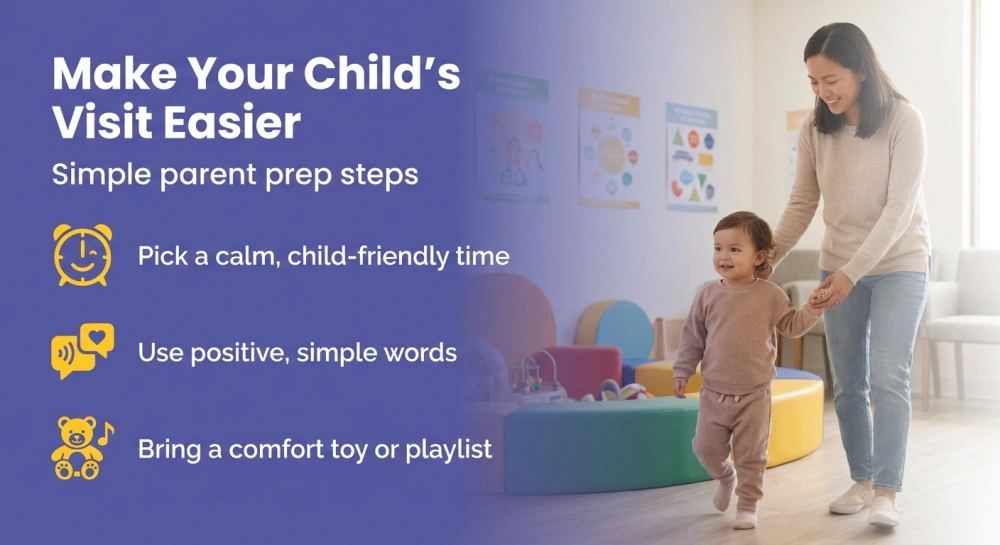
Small steps at home can make a big difference in kids dental filling time Laguna Niguel families experience. Consider these tips:
- Choose a good time of day Earlier appointments often work well for younger children who have more energy in the morning.
- Offer a light meal before Unless sedation instructions say otherwise, a light meal reduces hunger and helps cooperation.
- Practice with positive language Use simple words like sleepy juice for numbing and show how to open wide with a favorite stuffed animal [4].
- Bring comfort items A small blanket or toy can provide reassurance during the visit.
- Share medical updates Let us know about new medications, allergies, or recent illnesses before the appointment [5].
- Plan a calm day Light plans after the visit help your child rest and recover comfortably.
How are X ray needs decided and will they add time to the appointment?
We take X rays only when they are likely to help diagnose and treat your child safely. The ADA and the Food and Drug Administration provide selection criteria that help dentists decide when images are appropriate based on age, risk factors, and symptoms [8]. When indicated, images add a few minutes for positioning and review. If recent diagnostic images are available and still valid, we can often proceed without new imaging, which can shorten the visit.
What safety and infection control steps are followed and do they affect timing?
We follow evidence based infection prevention guidance to protect patients and staff, including hand hygiene, personal protective equipment, instrument sterilization, and environmental cleaning [7]. These steps are integrated into our daily schedule so they are performed efficiently without compromising safety.
What regulations in California guide pediatric sedation and treatment timing?
California regulates sedation care through permits and training requirements administered by the Dental Board of California. Dentists who provide minimal sedation, moderate sedation, or general anesthesia must meet specific education, equipment, and monitoring standards and maintain permits where required. This framework supports safe scheduling, staffing, and recovery planning for children and families [6] [5].
How do we decide between repairing now or using silver diamine fluoride and does that change visit length?
Silver diamine fluoride, often called SDF, can slow or arrest some cavities without drilling in carefully selected cases. It is quick to apply and may be appropriate when cooperation is limited, when a temporary step is needed, or when access to care is constrained. AAPD guidance outlines indications, benefits, and limitations, including the dark staining it causes on treated decay. Using SDF can greatly shorten the visit compared to a traditional filling, but follow up is still essential to monitor results and plan definitive care when appropriate [11].
When should we plan a follow up after a child’s filling and what will happen at that visit?
We usually check restored teeth at your child’s next routine checkup unless there was a specific bite adjustment or sensitivity we wanted to reassess sooner. At follow up we confirm comfort, examine margins, clean around the tooth, and reinforce home care for prevention. For children at higher risk, more frequent recall intervals help protect the investment you made in treatment [2].
What are common signs after a filling that mean we should call the dentist right away?
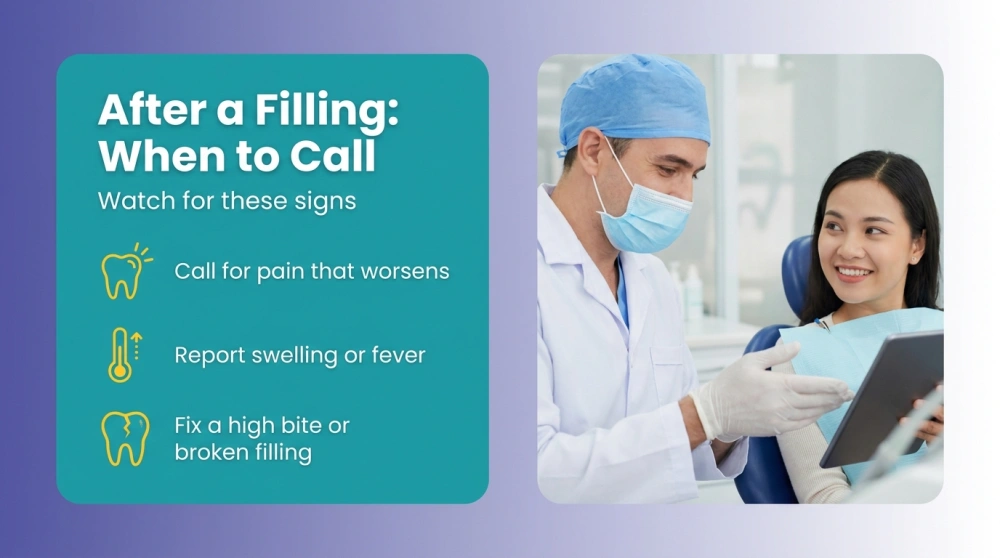
While most children do very well after a filling, please contact us promptly if you notice any of the following:
- Persistent pain Increasing discomfort that does not improve after a couple of days.
- Swelling or fever Signs of infection need evaluation.
- Numbness that does not resolve Prolonged numbness beyond the expected window.
- Bite feels high If chewing feels off, a quick adjustment brings relief.
- Broken or lost filling Any fracture or lost restoration should be repaired as soon as possible.
How can parents talk to their child about fillings to reduce worry and keep the visit efficient?
Simple, honest language helps. Try a few of these ideas to build confidence and cooperation:
- Use positive words We will make your tooth strong and shiny. We keep explanations simple and reassuring [4].
- Practice at home Count teeth, open wide for ten seconds, and breathe through the nose like blowing bubbles.
- Create a calm plan Bring a favorite song or story to listen to and celebrate small wins together.
- Model confidence Kids notice parent emotions, so calm encouragement supports a smooth visit.
Why choose Kidz Modern Dentistry for pediatric dental fillings in Laguna Niguel California?
At Kidz Modern Dentistry in Laguna Niguel, California, our goal is to make dental visits positive, predictable, and comfortable. We care for children of all ages, offer same day emergencies when our schedule allows, and provide kid friendly sedation options when appropriate. Our team uses child centered communication and pacing so appointments are efficient without feeling rushed.
- Clear next steps We explain what to expect, how long a visit is likely to take, and how to plan for home care. Parents receive practical guidance based on AAPD and ADA best practices [2] [8].
- Local expertise We serve families in Laguna Niguel and nearby communities across South Orange County. Our clinicians have years of combined experience focused on pediatric dental fillings and prevention.
- Child friendly method We use tell show do, gentle numbing, and distraction to help children relax. When indicated, we offer nitrous oxide and collaborate with appropriately permitted providers for deeper sedation following California regulations [6] [5].
- Quality systems We follow evidence based protocols for isolation, adhesive steps, and bite checks that support durable restorations [2].
- Comfort technology Our materials, curing lights, and isolation tools are selected for pediatric care to support efficient, high quality outcomes.
- Transparent communication We discuss options including interim steps like SDF when appropriate to match your child’s needs and to manage time and comfort thoughtfully [11].
- Personal access You can reach our office at +1 949 273 0110 with questions before or after treatment.
Many families prefer esthetic options when suitable, and we are happy to discuss shade matching and placement for Tooth-colored fillings during your child’s visit. We align clinical decisions with your child’s comfort and long term oral health, and we invite your questions at every step.
If you are comparing materials or planning for a first filling, you can ask about appointment length, comfort strategies, and whether specific steps like rubber dam isolation will be used. We are here to help you make an informed choice that fits your child’s needs and your schedule in Laguna Niguel.
Where can I review the references used in this article?
- Tooth Decay and Untreated Cavities Among U.S. Children – Centers for Disease Control and Prevention
- Restorative Dentistry for the Primary and Young Permanent Dentition – American Academy of Pediatric Dentistry
- Use of Local Anesthesia for Pediatric Dental Patients – American Academy of Pediatric Dentistry
- Behavior Guidance for the Pediatric Dental Patient – American Academy of Pediatric Dentistry
- Monitoring and Management of Pediatric Patients During and After Sedation – American Academy of Pediatric Dentistry
- Sedation and Anesthesia Permit Requirements – Dental Board of California
- Summary of Infection Prevention Practices in Dental Settings – Centers for Disease Control and Prevention
- Dental Radiographic Examinations and Patient Selection – American Dental Association
- Dental Caries in Children Ages 2 to 11 – National Institute of Dental and Craniofacial Research
- Pulp Therapy for Primary and Immature Permanent Teeth – American Academy of Pediatric Dentistry
- Use of Silver Diamine Fluoride in Pediatric Dentistry – American Academy of Pediatric Dentistry
- Fillings: What to Expect – American Dental Association MouthHealthy
- Pain Management in Infants, Children, Adolescents, and Individuals with Special Health Care Needs – American Academy of Pediatric Dentistry
Common Questions About This Topic
Find answers to frequently asked questions related to this article.
