



What Makes a Great Pediatric Dentist?
Why Choosing the Right Pediatric Dentist Matters What Kind of Training Does a Pediatric Dentist Have? What Qualities Define...
Read More: What Makes a Great Pediatric Dentist?Protect your child’s baby teeth with our gentle pulp treatments for decay or injury in Laguna Niguel, CA. Every step at KMD is designed for comfort while preserving their natural teeth and keeping their smile healthy. Book now!
AAPD Member
5-Star Rated
Hospital Privileges
90% less radiation than traditional X-rays for your child's safety
Safe nitrous oxide and sedation options for anxious children.
Specialized care for children with autism, ADHD, and other needs
Reserved emergency slots available every day for urgent care. We speak Spanish and Farsi.
If the dentist has recommended pulp therapy for your child, you probably have questions. Is it like a root canal? Will it hurt? Why treat a baby tooth that will fall out anyway? These are completely reasonable things to wonder, and the answers are usually more reassuring than parents expect.
At Kidz Modern Dentistry in Laguna Niguel, Dr. Lida Pishbin and Dr. Solmaz Shir use pulp therapy to save baby teeth that have deep decay or injury, so your child stays comfortable and the tooth keeps doing its job until the adult tooth is ready. Every step is explained to you before treatment begins.
Real families sharing their experiences with our pediatric dental care.
The pulp is the soft tissue in the center of a tooth, made up of nerves and blood vessels that keep the tooth alive. When deep decay, a crack, or an injury reaches the pulp, it can become inflamed or infected and cause pain. Pulp therapy removes the damaged pulp and treats the tooth so it can be kept instead of pulled.
It is sometimes called a “baby root canal,” but it is adapted for children. Baby teeth have larger pulp spaces and thinner enamel than adult teeth, so decay reaches the pulp more quickly. The goal, as the American Academy of Pediatric Dentistry describes for pediatric restorative care, is to keep the tooth healthy and free of pain until it falls out naturally.
For families coming from communities like Aliso Viejo, Mission Viejo, or Laguna Hills, all appointments take place at the Laguna Niguel office on La Paz Road.
The dentist uses an exam and x-rays to see how close the decay or damage is to the pulp and whether the pulp can still heal. That decides which treatment, if any, is needed.
Signs that a tooth may need pulp treatment include:
Not every child with a cavity needs pulp therapy. Many cavities are found and filled long before they reach the pulp.
Regular checkups through the practice’s preventive dentistry services are the best way to catch decay early, while it can still be treated with a simple filling.
Knowing what to expect helps both you and your child feel calmer. Most pulp therapy on baby teeth is done in a single visit, and the tooth is fully numbed first, so your child may feel pressure but should not feel pain.
Before treatment, the dentist reviews x-rays and examines the tooth to confirm which type of pulp treatment is right.
The appointment usually goes like this:
A numbing gel is applied, then a local anesthetic
The decay is removed, along with the damaged pulp tissue
A medicine is placed in the tooth to help it heal and keep bacteria out
The tooth is sealed
A crown is usually placed to protect the tooth
For children who are very young, anxious, or need several teeth treated, sedation options such as laughing gas or oral sedation can help them stay relaxed.
Slots for emergency dental visits available today. Don't let your child's dental pain wait. Call or text us now!
A pulpotomy is the most common pulp treatment for children. It is used when only the pulp in the top part of the tooth is inflamed and the pulp in the roots is still healthy. The dentist removes the affected pulp from the crown of the tooth, places a medicine over the healthy root pulp, and seals the tooth.
A pulpectomy is used when infection has spread into the roots. All of the pulp is removed, and the root canals are cleaned and filled with a material that dissolves naturally as the baby tooth’s roots break down, so the adult tooth can come in normally. It may take one or two visits depending on the infection.
After either treatment, the tooth is usually covered with a pediatric crown to protect it from breaking and restore normal chewing.
It is a fair question. If baby teeth fall out anyway, why not remove the tooth? Because baby teeth do important work for years. They help children chew a healthy diet, support clear speech, and hold space in the jaw for the permanent teeth growing underneath.
When a baby tooth is lost too early, nearby teeth can drift into the gap, causing crowding and alignment problems for the adult teeth. Saving the tooth with pulp therapy keeps it in place, comfortable, and working until it falls out on its own.
Sometimes a tooth is too damaged to save, and a tooth extraction is the better choice. In that case, a space maintainer may be recommended to hold the gap open.
Until the numbness wears off, have your child avoid chewing on the treated side so they do not bite their cheek or lip. Some mild soreness for a day or two is normal, and children’s pain relief as directed by the dentist can help. Keep brushing twice a day with fluoride toothpaste and flossing as usual, and care for the crown just like a natural tooth.
Follow-up checkups let the dentist make sure the tooth stays healthy. Call the office if your child has pain that does not improve after a couple of days, swelling in the gums or face, a pimple-like bump on the gum, or a crown that feels loose or comes off.
If pain or swelling appears suddenly, pediatric dental emergency care is available so your child can be seen quickly.
Pediatric Dentist & Practice Owner
Board Certified Pediatric Dentist
Diplomate by American Board of
Pediatric Dentistry
Pediatric Dentist & Practice Owner
Board Certified Pediatric Dentist
Diplomate by American Board of
Pediatric Dentistry
Kidz Modern Dentistry works with most major dental insurance plans, and the team verifies your benefits before the appointment so you know what to expect. Many plans cover pulp therapy for children, and coverage for the crown that follows varies by plan. For families without dental insurance, the KMD Total Care membership plans are available as an alternative. The plan details are listed further down this page. To ask about coverage or to schedule your child’s visit, contact our Laguna Niguel office by phone or through the online booking form.
Experience total freedom in your child’s dental care. Our membership removes the barriers found in traditional insurance — no caps, no delays, and no denials. Review the benefits and exclusions to see how effortless care can be.
Common questions parents ask, answered by our pediatric dental experts.
The procedure itself is performed under local anesthesia, so your child should not feel pain during treatment. Some mild soreness in the area is normal in the day or two following the appointment. Most children tolerate the procedure well, and dental teams in pediatric offices are trained specifically to work with young patients in a calming and supportive way.
Many pulp therapy procedures, including pulpotomies, can be completed in a single appointment. A pulpectomy may require one or two visits depending on the extent of the infection and whether the canals need time for disinfection between appointments. Your child's dentist will give you a clear timeline based on your child's specific situation.
In most cases, yes. The AAPD recommends placing a crown over a tooth that has undergone pulp therapy to protect it from fracture, seal out bacteria, and restore proper function. For primary teeth, stainless steel crowns are widely used due to their durability and reliable fit. Tooth-colored options may be available depending on the tooth location and your dentist's resources. [1]
The primary tooth that has been treated will still shed naturally in most cases. The roots of baby teeth gradually resorb (break down) as the underlying permanent tooth pushes upward. The resorbable filling material used in pulpectomy procedures is designed to degrade along with the root, allowing the permanent tooth to erupt without obstruction. Your child's dentist will monitor this process through regular checkups.
Extraction is sometimes necessary, particularly if a tooth is too damaged to restore or if the infection is extensive. However, premature loss of a primary tooth can lead to shifting of neighboring teeth and crowding of the developing permanent teeth. When it is clinically feasible, preserving the baby tooth through treatment is often preferred over early extraction. If extraction is needed, your dentist may recommend a space maintainer to hold the gap open for the incoming permanent tooth.
Pulp therapy can be performed on children of any age as long as a primary or developing permanent tooth is involved. The type of treatment, the level of cooperation expected, and the use of sedation or behavior management techniques will be adapted based on the child's age and individual needs. Very young children or those with dental anxiety may be better candidates for sedation-assisted care.
Pulp therapy is a well-established and evidence-based treatment in pediatric dentistry. When performed by a trained pediatric dentist following current clinical guidelines, it is considered a safe and appropriate intervention for managing diseased pulp tissue in primary and developing permanent teeth. [1] As with any dental procedure, your dentist will discuss the benefits, risks, and alternatives with you before treatment begins.
Costs vary depending on the type of procedure, whether a crown is needed, the tooth involved, and your dental insurance coverage. Many dental insurance plans cover pulp therapy for children as part of their pediatric dental benefits. It is a good idea to check with your insurance provider ahead of the appointment and ask the dental office about coverage and any out-of-pocket costs. Many practices offer payment plan options as well.
Longer reads from our pediatric dental team, for parents who want the detail behind the visit.
Why Choosing the Right Pediatric Dentist Matters What Kind of Training Does a Pediatric Dentist Have? What Qualities Define...
Read More: What Makes a Great Pediatric Dentist?
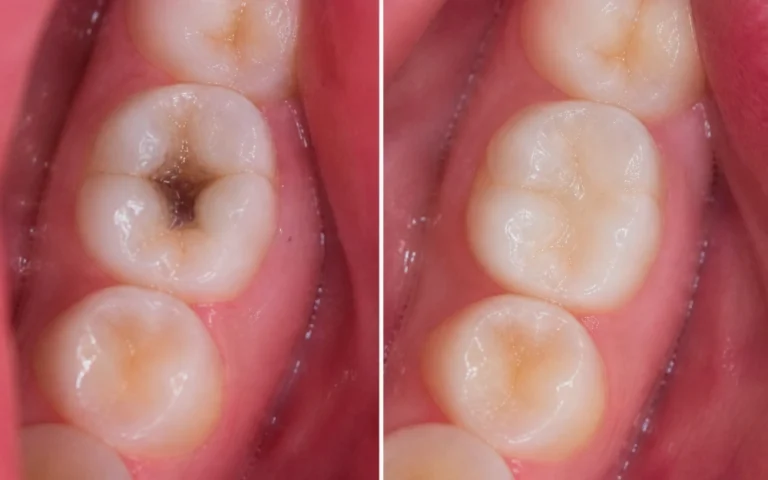
Why Are Parents Rethinking Silver Fillings? What Are Colored Anticavity Fillings for Kids? How Are Tooth-Colored Fillings Different From Silver...
Read More: No More Silver Fillings: Why Colored Anticavity Fillings Are the Best Choice for Kids
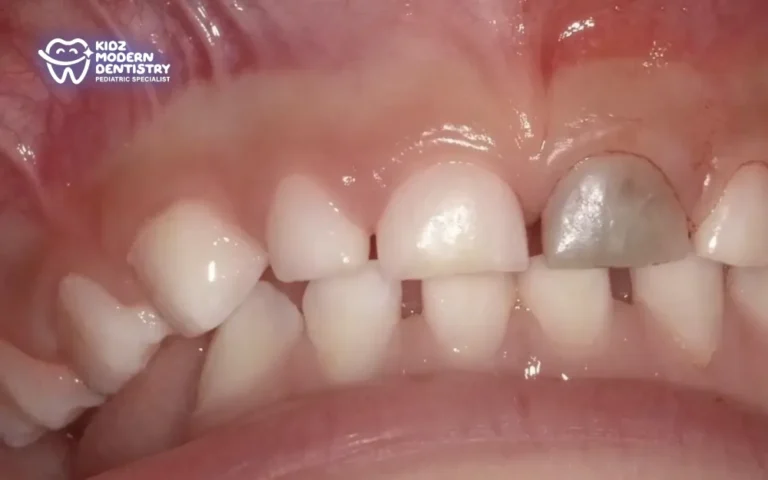
What does a gray tooth after trauma actually mean? Why can a tooth change color after an injury? Is a...
Read More: When a Tooth Turns Gray After Trauma… What Does It Mean?Slots for emergency dental visits available today. Don't let your child's dental pain wait. Call or text us now!
We serve families from Southern Orange County, Laguna Niguel, Laguna Beach, Aliso Viejo, Laguna Hills, Mission Viejo, San Juan Capistrano and surrounding communities with comprehensive pediatric dental care.
Monday - Thursday: 8:30 AM - 5:00 PM
Friday: 8:30 AM - 4:00 PM
Saturday: Closed
Thank you for booking — we’ll confirm your reservation soon!