- What makes a first kids dental exam important in Laguna Niguel CA?
- When should a child first see the dentist and why does age 1 matter?
- What should you expect at a first pediatric dental visit in Laguna Niguel?
- How do pediatric dentists help kids feel comfortable during the first visit?
- What happens during a baby teeth exam and oral development check?
- Why might fluoride treatment be recommended for kids at the first visit?
- When are dental x rays for children needed and how is safety managed?
- How can you prepare your child for the first dentist appointment?
- What should you know about insurance scheduling and cost for a first visit?
- What regulations and safeguards guide pediatric dental care in California?
- How do nutrition and home care support oral health after the first visit?
- What warning signs suggest you should book a visit sooner?
- How do common treatments for kids work after the first exam?
- How do follow ups and recall visits support your childs oral health?
- Why choose a pediatric dentist in Laguna Niguel and what sets local care apart?
- How does Kidz Modern Dentistry support your childs first visit in Laguna Niguel?
- Which references were used for this article?
What makes a first kids dental exam important in Laguna Niguel CA?
Your childs first kids dental exam is more than a quick look at baby teeth. It sets the tone for how your family experiences oral health care and helps your child build confidence in the dental chair. Pediatric dentists use the first pediatric dental visit to check growth, guide healthy habits, and spot concerns early while care is simple and gentle. Professional organizations recommend an early start because tooth decay can begin soon after the first teeth appear, and early guidance may lower the risk of cavities and dental emergencies as your child grows [1] [2] [3].
Tooth decay is one of the most common chronic conditions of childhood in the United States, and many school age children have had a cavity at some point. National data show that more than half of children aged six to eight have had a cavity in their primary teeth, which highlights the value of prevention and early visits [6]. When we begin care earlier, we can coach families on brushing with the right amount of fluoride toothpaste, nutrition choices, and routines that fit busy life in Laguna Niguel [3].
If you are searching for a kid friendly dentist near me or considering a pediatric dentist Laguna Niguel for your childs first dentist appointment, this guide explains what to expect, how to prepare, and how local and national guidelines shape safe, effective care.
When should a child first see the dentist and why does age 1 matter?
Leading professional groups recommend that children see a pediatric dentist by the time of the first birthday or within six months of the first tooth erupting. This age 1 dental visit is an opportunity to identify risk, provide fluoride guidance, and help caregivers learn effective home care techniques before problems develop [1] [2] [3].
Starting at age one gives your childs dentist a baseline for tracking growth of the jaws and primary teeth, monitoring spacing and bite, and discussing habits such as bottle use, pacifiers, and thumb or finger sucking. Early visits also build trust, so your child becomes familiar with the sights and sounds of the dental office in a calm way [8].
Families in Laguna Niguel, CA often ask if it is too early to schedule a first pediatric dental visit when only a few teeth are in. The answer is that even one tooth can benefit from a quick gentle exam, protective fluoride varnish when appropriate, and personalized guidance for home care [4].
What should you expect at a first pediatric dental visit in Laguna Niguel?
A childs first dentist appointment usually feels more like a friendly wellness visit than a formal procedure. Here is a simple overview of what happens and why each step matters.
- Warm welcome and check in You will share your childs medical history and any concerns, such as teething discomfort, nursing or feeding routines, thumb or pacifier habits, and brushing routines.
- Guided tour for your child Pediatric teams often show children the chair and simple tools so they can explore at their own pace and feel at ease [8].
- Knee to knee or chair exam For very young children, the dentist may use a knee to knee position where your child sits on your lap. This offers comfort and a quick view of the teeth, gums, and bite. For older toddlers and preschoolers, a reclined chair works well.
- Gentle cleaning when appropriate A soft brush or cloth helps clear away plaque and lets your child practice opening and closing while the dentist checks for spots that need more attention at home.
- Caries risk assessment Based on diet, fluoride exposure, medical history, and clinical findings, the dentist assesses your childs risk for cavities and designs a personalized plan for visits and home care [1].
- Fluoride varnish application Many children benefit from a quick fluoride varnish on the teeth to help prevent tooth decay. This is supported by strong evidence and is well tolerated by young children [4].
- Caregiver coaching You will receive age specific guidance on brushing, flossing when teeth touch, snack timing, and bottle and sippy cup transitions tailored to your routine [3].
- Follow up plan The dentist will suggest a recall interval based on risk, often every three to six months for young children at higher risk and six to twelve months for lower risk children [1].
How long does the first appointment usually take?
Plan for enough time so you and your child do not feel rushed. Many first visits take about the length of a story time session and include pauses to answer your questions. The pace is set by your childs comfort and attention span and can be shorter or longer depending on age and needs.
What does a gentle cleaning involve for a young child?
For infants and toddlers, the cleaning focuses on removing soft plaque and showing you how to angle the brush along the gumline. The dentist may use a small soft brush or gauze rather than polishing tools. For preschoolers, a light polish can be added if your child is comfortable.
What does a cavity risk assessment include?
Risk assessment considers your childs dental findings, visible plaque, enamel defects, snack frequency, sugar exposure, fluoride toothpaste use, drinking water fluoride exposure, and family cavity history. The result guides decisions about fluoride varnish, x rays when indicated, and how often to see the pediatric dentist Laguna Niguel team for preventive care [1] [12].
How do pediatric dentists help kids feel comfortable during the first visit?
Pediatric dentists use age appropriate communication and behavior guidance to make the visit positive. A common method is tell show do which means your child hears a short explanation, sees the tool, then experiences a gentle demonstration. The focus is on building trust, offering praise, and giving your child choices such as picking a toothbrush color [8].
- Calm environment Many pediatric offices use child friendly decor and quiet background sounds to reduce anxiety.
- Short simple words Teams explain what will happen in a way that matches your childs age and language.
- Positive reinforcement Gentle praise helps encourage cooperative behavior and confidence [8].
- Parent participation For infants and toddlers, your lap is often the safest and most reassuring place for an exam.
What if a child is very anxious?
For children who are very nervous or have special health care needs, options like nitrous oxide also called laughing gas may be considered to help your child relax for short procedures. When used by trained providers with appropriate monitoring, nitrous oxide is a well established option in pediatric dentistry [9]. In California, dentists must meet specific training and permit requirements for various levels of sedation. If a child needs minimal or moderate sedation beyond routine behavior guidance, the treating dentist must follow state rules and obtain the proper anesthesia permit through the Dental Board of California [10]. Your dentist will discuss benefits, risks, and alternatives and will only recommend an option that is suitable for your childs health and needs [8] [9] [10].
What happens during a baby teeth exam and oral development check?
During the baby teeth exam, the pediatric dentist looks at the teeth, gums, tongue, cheeks, and palate to assess health and development. The dentist checks for early white spot lesions that signal the start of a cavity, evaluates spacing that may impact flossing, and observes how the upper and lower teeth meet. For infants and toddlers, the exam also considers teething patterns, mouth breathing, and habits like pacifier use or thumb sucking which can affect jaw growth over time if they continue beyond the preschool years [3] [1].
Because baby teeth hold space for adult teeth and are essential for speech and nutrition, protecting them is important for long term oral health. Caregivers receive anticipatory guidance about what changes to expect as more teeth erupt and how to adjust brushing routines accordingly [3] [1].
Why might fluoride treatment be recommended for kids at the first visit?
Fluoride strengthens enamel and helps reverse early stages of decay. A quick application of fluoride varnish during the visit can reduce the risk of cavities in young children and is recommended for those at increased risk of tooth decay. Evidence supporting fluoride varnish is strong, and pediatric medical providers also use it during well child visits, reflecting its safety and effectiveness when used as directed [4] [1].
At home, brushing twice a day with a smear or rice sized amount of fluoride toothpaste for children under three and a pea sized amount for children three to six is recommended to reduce cavity risk. Your pediatric dentist will confirm the right amount and technique for your child [3] [1].
Families in Laguna Niguel sometimes ask about fluoride in local drinking water. Fluoride levels vary by community and some systems in California adjust fluoride to optimal levels for prevention. You can check your local water systems status using a national public database and then discuss personalized guidance with your dental team [12].
When are dental x rays for children needed and how is safety managed?
Dental x rays for children are used only when necessary to obtain information that cannot be gathered from a visual exam alone. Decisions are based on your childs age, history, and risk for tooth decay or developmental issues. National recommendations emphasize selecting patients for radiographs and using the lowest exposure that is reasonably achievable to answer the clinical question [5].
- Individualized selection The dentist considers whether spaces, deep grooves, or clinical findings suggest hidden decay that would benefit from an x ray image [5].
- Modern technology Digital sensors, rectangular collimation, and appropriate exposure settings are used to reduce dose while obtaining diagnostic images [5].
- Professional standards Providers follow national recommendations on when to take images and how to limit exposure while maintaining diagnostic quality [5].
Your pediatric dentistry Laguna Niguel team will explain why an image is or is not needed at a given visit, and you will have the chance to ask questions before proceeding.
How can you prepare your child for the first dentist appointment?
Preparation can make the first experience smoother and more enjoyable. A few small steps ahead of time help reduce uncertainty and give your child a sense of control.
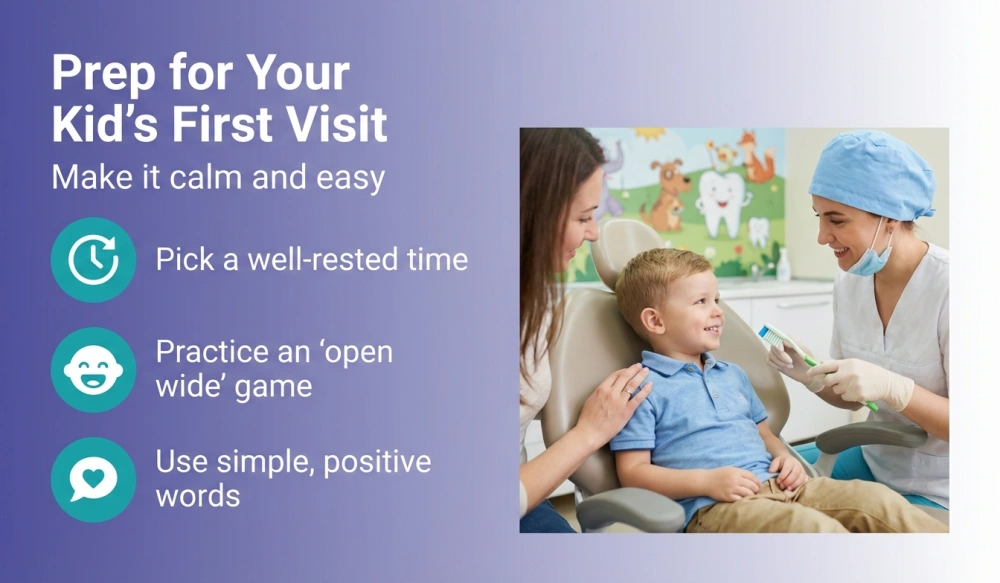
- Choose a morning or well rested time Young children often do best when they are not hungry or tired.
- Practice a quick open wide game Playfully count teeth at home so your child is familiar with opening for a short look.
- Use simple positive words Focus on clean strong teeth and avoid words that may sound scary.
- Bring comfort items A favorite toy or small blanket can help with transitions.
- Share questions in advance Let the office know about allergies, medical needs, or past experiences so the team can plan appropriately.
Parents often ask what to do if their child cries. It is okay for young children to express feelings in a new place. Pediatric teams expect this and will guide the visit at a pace that feels safe and respectful.
What should you know about insurance scheduling and cost for a first visit?
Coverage for preventive pediatric dental care such as exams, cleanings when appropriate, and fluoride varies by plan. Many plans include preventive benefits at little or no out of pocket cost, but details differ. Before your childs first visit, consider calling your insurance plan to confirm coverage and any required copay or deductible. Ask about in network providers in Laguna Niguel, CA and whether fluoride varnish is covered during exams.
When scheduling, share your childs best time of day and any special accommodations that help the team prepare. If your child has a medical condition or receives services through a specialist, bring contact information or reports that may be helpful. If you do not have dental insurance, ask about transparent fees and payment options so you can plan ahead.
What regulations and safeguards guide pediatric dental care in California?
Pediatric dental care in Laguna Niguel follows local, state, and federal standards designed to protect children and families.
- Infection prevention practices Dental teams follow federal guidance on hand hygiene, instrument processing, safe injection practices, and environmental cleaning to reduce risk of infection in dental settings [7].
- Patient privacy and rights Your health information is protected by federal privacy rules, and dental offices maintain safeguards and provide notices regarding how information is used and disclosed [11].
- Dental radiography standards Decisions about x rays follow national recommendations focused on patient selection and dose reduction techniques that meet diagnostic needs [5].
- Sedation and anesthesia permits In California, dentists must hold specific permits for different levels of sedation and meet training and facility requirements. This is overseen by the Dental Board of California to promote safe care for pediatric patients [10].
These safeguards work together so that your childs first pediatric dental visit is conducted with clear protocols and documented consent when special services are considered.
How do nutrition and home care support oral health after the first visit?
What happens between visits is just as important as the time in the office. After your childs first kids dental exam, your pediatric dentist will personalize home routines, but the core habits are similar for most families.
- Brush twice daily with fluoride toothpaste Use a smear for children under three and a pea sized amount for children three to six. Guide your childs brushing until they have the skill to clean all surfaces effectively [3] [1].
- Start flossing when teeth touch Floss once daily for any areas where the toothbrush bristles cannot reach.
- Limit frequent sugary snacks and drinks Aim for water between meals and reserve sweets for special times to reduce continuous acid attacks on enamel [3].
- Use cups as your child grows Transition from bottles to an open cup or a straw cup around the first birthday to reduce prolonged exposure to liquids that can lead to cavities [1] [3].
- Check your water source If your home uses community water, you can review fluoride status through a public database and ask your dentist about additional fluoride if needed [12].
These steps support the preventive care plan you create with a kids dentist Laguna Niguel team and help keep baby teeth strong for eating, speaking, and smiling.
What warning signs suggest you should book a visit sooner?
Even with careful home care, children can develop concerns that merit a visit before the next routine check. Call a pediatric dentist if you notice any of the following issues, especially if your child has already had their first pediatric dental visit and something new appears.
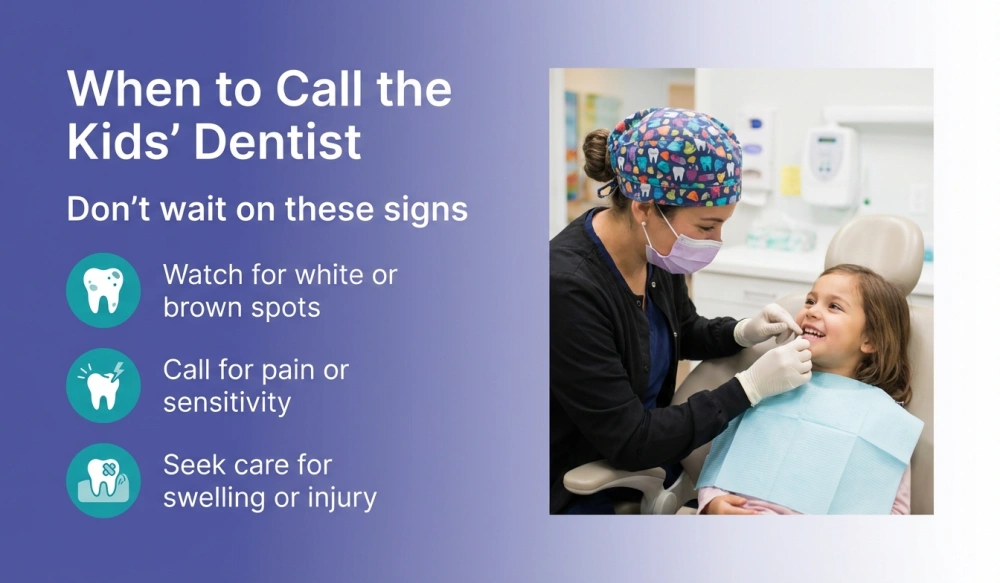
- White or brown spots on teeth Early white spots near the gumline or brown areas may be signs of early decay that benefit from timely care [3].
- Pain or sensitivity Complaints of discomfort when eating or brushing can signal a cavity or enamel wear.
- Swelling or bleeding gums Persistent bleeding during brushing or swelling should be evaluated.
- Injury to teeth or lips Falls and sports can cause chips or trauma. Timely evaluation helps protect developing teeth.
- Changes in bite or chewing New difficulty chewing or jaw shifts may need assessment.
Early attention often means simpler solutions, which is particularly helpful for young children who do best with short visits and familiar routines [1].
How do common treatments for kids work after the first exam?
After the first kids dental exam, your pediatric dentist will outline any recommended next steps. Many children need only preventive visits. Others may benefit from simple treatments to stop early decay or protect vulnerable areas.
- Fluoride varnish and silver diamine fluoride Fluoride varnish helps remineralize enamel. In selected cases, a topical medication called silver diamine fluoride may be used to slow early decay in young or anxious children as part of a broader plan. Your dentist will explain indications and options [4] [1].
- Sealants for permanent molars For school age children, sealants protect the deep grooves of back teeth from trapping food and bacteria. Sealants reduce the risk of cavities in molars and are quick and painless to place [13].
- Minimally invasive fillings If a cavity requires a restoration, pediatric dentists use techniques tailored to a childs age and comfort, often with gentle isolation and materials selected for durability and safety.
Every recommendation is individualized. Ask your pediatric dentist Laguna Niguel team to explain expected benefits, alternatives, and how care will be delivered in child friendly steps.
How do follow ups and recall visits support your childs oral health?
Follow up visits keep small problems from growing and help your child gain confidence with each positive experience. The recall schedule is based on your childs risk for cavities, oral development, and home care practices. Children at higher risk may benefit from visits every three to six months to reinforce habits and apply fluoride more often, while lower risk children may be seen every six to twelve months. These intervals come from professional guidance and are adjusted to your childs unique needs [1].
Regular visits also let your dentist update home care and nutrition coaching as your child grows from infant to toddler to preschooler. The goal is to keep each visit short, supportive, and predictable so your child views dental care as a normal part of staying healthy in Laguna Niguel.
Why choose a pediatric dentist in Laguna Niguel and what sets local care apart?
Pediatric dentists complete specialty residency training focused on child behavior, growth and development, and care for children with special health care needs. This background is helpful when guiding a childs first dentist appointment and planning age appropriate prevention and treatment. Choosing a local kids dentist Laguna Niguel brings the added benefit of a team that understands community resources and can coordinate with nearby pediatricians and schools [8] [2].
- Child centered expertise Training emphasizes communication and techniques that are calm and supportive for infants, toddlers, and young children [8].
- Preventive focus Early risk assessment, fluoride strategies, and recall planning aim to keep care simple and comfortable [1] [4].
- Coordinated care Local providers can connect families with community resources for nutrition, wellness, and school readiness.
When you search pediatric dentistry Laguna Niguel, look for a practice that welcomes questions, offers clear explanations, and partners with you to shape a plan that fits your childs personality and your family routine.
How does Kidz Modern Dentistry support your childs first visit in Laguna Niguel?
At Kidz Modern Dentistry, our approach to your childs first pediatric dental visit is built around comfort, clarity, and age specific prevention. We serve families in Laguna Niguel, CA and nearby communities with scheduling designed for young children and guidance that is easy to put into daily life.
- Practical next steps We help you decide when to book the first kids dental exam, what to bring, and how to prepare your child so the visit feels familiar.
- Local focus As a kids dentist Laguna Niguel team, we understand the needs of families in our area and can coordinate with local pediatricians and schools when helpful.
- Kid friendly methods We use tell show do, positive reinforcement, and caregiver participation to build comfort from the very first hello.
- Comfort options when appropriate For children who need extra help relaxing, we discuss options like nitrous oxide with careful screening and monitoring consistent with professional guidance and California permit rules [9] [10].
- Same day help for urgent needs When possible, we allocate time for same day emergencies so children can be seen promptly for injuries or pain.
- Comprehensive pediatric care From baby teeth exams and fluoride varnish to sealants and minimally invasive treatment, we tailor care to your childs age and needs.
- Clear communication You will have direct access to qualified professionals who explain options, listen to your concerns, and partner with you on a plan that fits your family.
- Structured infection prevention Our protocols align with national infection control guidance to protect patients and staff at each visit [7].
If you are ready to schedule your childs first dentist appointment or want to ask a few questions first, call us at +19492730110. We are here to help you map out a friendly, evidence informed start to dental care that supports long term health.
Which references were used for this article?
- Periodicity of Examination, Preventive Dental Services, Anticipatory Guidance and Oral Treatment for Infants, Children, and Adolescents – American Academy of Pediatric Dentistry
- Age One Dental Visit – American Academy of Pediatric Dentistry
- Children’s Oral Health – National Institute of Dental and Craniofacial Research
- Prevention of Dental Caries in Children Younger Than 5 Years: Screening and Interventions – US Preventive Services Task Force
- Dental Radiographic Examinations: Recommendations for Patient Selection and Limiting Radiation Exposure – US Food and Drug Administration and American Dental Association
- Children’s Oral Health Basics – Centers for Disease Control and Prevention
- Summary of Infection Prevention Practices in Dental Settings – Centers for Disease Control and Prevention
- Behavior Guidance for the Pediatric Dental Patient – American Academy of Pediatric Dentistry
- Use of Nitrous Oxide for Pediatric Dental Patients – American Academy of Pediatric Dentistry
- Anesthesia and Sedation Permits – Dental Board of California
- HIPAA Privacy Rule Summary – US Department of Health and Human Services
- My Water’s Fluoride – Centers for Disease Control and Prevention
- Dental Sealants Frequently Asked Questions – Centers for Disease Control and Prevention
Common Questions About This Topic
Find answers to frequently asked questions related to this article.