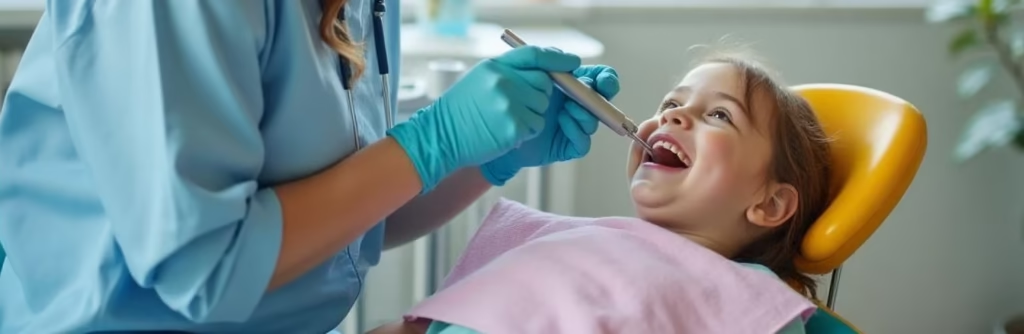
- What is fluoride and how does it help prevent tooth decay in children?
- How does fluoride strengthen enamel at the microscopic level?
- When should children start using fluoride toothpaste and how much is appropriate?
- What do leading organizations recommend about fluoride for kids?
- Is fluoride safe for children and what is dental fluorosis?
- What is community water fluoridation and how does it affect cavity rates?
- How do professional pediatric fluoride treatments like varnish work?
- How often are fluoride varnish treatments recommended for kids?
- How can parents in Laguna Niguel and nearby decide on fluoride options?
- What do California and federal rules say about fluoride in drinking water?
- How do diet and daily habits interact with fluoride for cavity prevention?
- What should parents ask a pediatric dentist about fluoride at checkups?
- How can families without fluoridated water support cavity prevention for children?
- What common fluoride myths should parents know about?
- How do we tailor fluoride care for toddlers, school age children, and teens?
- When are fluoride dietary supplements considered and who needs them?
- How can you check your tap water fluoride level in South Orange County?
- How do children with special health care needs benefit from personalized fluoride plans?
- What is the bottom line about fluoride and cavity prevention for children?
- Who is Kidz Modern Dentistry and how do we support pediatric fluoride care in South Orange County?
- References
What is fluoride and how does it help prevent tooth decay in children?
Fluoride is a naturally occurring mineral that helps rebuild the outer surface of teeth where cavities begin. In simple terms, it makes the enamel harder and more resistant to the acids produced by cavity causing bacteria. That is why using fluoride for kids is a cornerstone of cavity prevention for children and is part of many pediatric fluoride treatments recommended by respected medical and dental organizations [7].
Tooth decay remains one of the most common chronic conditions in childhood in the United States, affecting many families across communities. National surveillance shows that almost half of children ages 2 to 19 have had dental caries in their primary or permanent teeth at some point, and about one in five has untreated caries at any given time [11]. The good news is that fluoride and tooth decay prevention strategies can decrease the risk when combined with daily brushing, smart nutrition, and regular dental visits.
Parents often ask about the best fluoride toothpaste for kids and whether community water fluoridation helps. We cover both, including safety questions, how professional fluoride varnish is used, and what to consider if you live in Laguna Niguel, Aliso Viejo, or nearby South Orange County cities.
How does fluoride strengthen enamel at the microscopic level?
Early tooth decay starts with tiny areas of demineralization. Bacteria feed on sugars and release acids that pull minerals out of enamel. Fluoride helps reverse this process. When fluoride is present in the saliva and at the tooth surface, it encourages the redeposition of calcium and phosphate into enamel, forming a more acid resistant crystalline structure. This process is called remineralization and it can arrest or slow the earliest stages of decay before a cavity forms [7].
Fluoride also affects the way bacteria metabolize sugars, which further reduces acid production and can lower decay risk over time. Topical exposure on the tooth surface from toothpaste, mouthrinses, and professional pediatric fluoride treatments is especially important for ongoing protection [7].
When should children start using fluoride toothpaste and how much is appropriate?
Brushing with a fluoride toothpaste should begin as soon as the first tooth erupts. The key is to use the right amount for the child’s age and to supervise brushing so children do not swallow large amounts of paste.
- For toddlers under age 3 use a smear the size of a grain of rice, twice daily on a soft brush [8] [5].
- For children ages 3 to 6 use a pea sized amount twice daily, and help with brushing to limit swallowing [8] [5].
Choosing a flavor your child likes can help build good brushing habits. If you are wondering about the best fluoride toothpaste for kids, look for toothpaste with the American Dental Association Seal of Acceptance and the fluoride level listed on the label. Your pediatric dentist can help match options to your child’s age and risk level [5].
What do leading organizations recommend about fluoride for kids?
Several independent, evidence based bodies align on guidance for fluoride and tooth decay prevention:
- American Academy of Pediatric Dentistry recommends fluoride toothpaste use from the first tooth and professional topical fluoride for children at elevated risk of caries, including the use of fluoride varnish in dental settings [4].
- United States Preventive Services Task Force recommends that primary care clinicians apply fluoride varnish to the primary teeth of all infants and children starting at tooth eruption through age five and prescribe fluoride supplements for children whose water supply lacks sufficient fluoride, after assessing caries risk [3].
- American Dental Association supports age appropriate fluoride toothpaste amounts, professional topical treatments for at risk children, and assessment of water fluoride levels for individualized care planning [5].
- National Institute of Dental and Craniofacial Research provides clear explanations of how fluoride works and why topical exposure from toothpaste and varnish is important across childhood [7].
Is fluoride safe for children and what is dental fluorosis?
When used as directed, fluoride is considered safe and helpful in reducing cavities for children. The main cosmetic risk from too much fluoride during the years when teeth are forming under the gums is dental fluorosis. Mild fluorosis appears as faint white lines or streaks on enamel and does not affect tooth health. It is less common and usually avoidable when toothpaste amounts are guided by age and caregivers supervise brushing [7] [5] [8].
Water fluoride levels in public systems are set with health based targets in mind. The U.S. Department of Health and Human Services recommends 0.7 milligrams per liter as the optimal level for preventing tooth decay while limiting fluorosis risk. This recommendation is used nationwide by communities that add fluoride to drinking water [2].
The U.S. Environmental Protection Agency sets a maximum contaminant level for fluoride in drinking water at 4.0 milligrams per liter for safety and a secondary standard at 2.0 milligrams per liter to help protect against cosmetic effects like fluorosis. These standards apply to public water systems and provide additional safeguards for families [9].
If you have questions like is fluoride safe for children or how to handle fluoride treatment for toddlers, your pediatric dentist can help you personalize a plan that fits your child’s needs while staying within well established safety guidelines.
What is community water fluoridation and how does it affect cavity rates?
Community water fluoridation is the process of adjusting fluoride in public drinking water to the recommended level to help prevent tooth decay. Decades of public health data show that communities with fluoridated water have fewer cavities in children and adults. On average, studies indicate a reduction in tooth decay by about one quarter in children and adults living in communities with fluoridated water compared with those without, contributing to better oral health across a community [1].
Beyond individual toothpaste and pediatric fluoride treatments, this population level measure helps support cavity prevention for children regardless of income or access to dental care, which is one reason it is widely endorsed by health authorities [1] [7].
How do professional pediatric fluoride treatments like varnish work?
Fluoride varnish is a concentrated topical fluoride that a professional paints onto tooth surfaces. It sets quickly when it contacts saliva and remains in place for several hours, providing a slow release of fluoride into enamel. This is especially useful for young children who cannot sit for long procedures and for kids with early white spot lesions that benefit from intensive remineralization.
Evidence from controlled studies shows that professional fluoride varnish applications reduce caries in primary and permanent teeth for children and adolescents at risk. A Cochrane review of clinical trials supports the benefit of varnish in reducing decay when applied at regular intervals as part of a prevention plan [6].
In practice, fluoride varnish is often placed at routine checkups for at risk children. Medical practices may also apply varnish during well visits for infants and toddlers according to national recommendations, which increases access for families who have not yet established a dental home [3].
How often are fluoride varnish treatments recommended for kids?
The frequency depends on a child’s risk for decay. Children who have had cavities in the past, have early signs of enamel demineralization, or who have factors like frequent snacking on sugary foods may benefit from more frequent varnish applications. Common schedules range from every three months to every six months for higher risk patients and at least every six to twelve months for lower risk children. Your pediatric dentist will tailor the interval based on a clinical exam and caries risk assessment [4] [3].
How can parents in Laguna Niguel and nearby decide on fluoride options?
Families in Laguna Niguel, Aliso Viejo, Laguna Hills, Mission Viejo, Laguna Beach, and San Juan Capistrano can start with a few practical steps.
- Know your water learn whether your tap water has optimal fluoride.
- Brush with fluoride toothpaste twice a day with the right amount for your child’s age.
- Schedule routine checkups so your pediatric dentist can apply varnish if beneficial and monitor early enamel changes.
- Ask about personalized plans discuss diet, home care, sealants, and professional fluoride options to match your child’s risk level.
If you are looking for a pediatric dentist near Laguna Niguel or a pediatric dentist near Aliso Viejo, consider choosing a practice experienced with individualized prevention plans for children, including guidance on toothpaste selection, fluoride varnish, and step by step coaching for home care.
What do California and federal rules say about fluoride in drinking water?
Federal recommendations and standards provide a baseline. The U.S. Department of Health and Human Services recommends an optimal fluoride concentration of 0.7 milligrams per liter for communities that fluoridate water. The U.S. Environmental Protection Agency sets the enforceable maximum contaminant level at 4.0 milligrams per liter and a secondary standard of 2.0 milligrams per liter for cosmetic concerns [2] [9].
In California, the State Water Resources Control Board oversees public water systems that choose to fluoridate and provides statewide program guidance. Local utilities implement fluoridation within state rules when applicable and report water quality data to the public through annual consumer confidence reports [10].
Families who rely on private wells are not covered by these public system standards and can consult their pediatric dentist and pediatrician about testing wells and choosing appropriate fluoride sources for kids [3].
How do diet and daily habits interact with fluoride for cavity prevention?
Fluoride is most effective as part of a broader prevention routine. Daily behaviors can either strengthen tooth protection or weaken it.
- Focus on routine brushing help children brush with fluoride toothpaste morning and night, and supervise until they can clean all surfaces well [8] [5].
- Limit sugary snacks and drinks frequent sipping or snacking feeds acid producing bacteria and can overwhelm fluoride protection. Offer water between meals and reserve treats for mealtimes.
- Use a soft brush and gentle technique gentle circles along the gumline work well for young hands.
- Consider sealants for molars sealants protect chewing surfaces and can complement fluoride for children at risk. Ask your pediatric dentist if sealants fit your child’s needs.
By combining smart habits with fluoride and regular checkups, parents can make a meaningful difference in cavity prevention for children.
What should parents ask a pediatric dentist about fluoride at checkups?
Checkups are a great time to collaborate. Consider these questions.
- What is my child’s current caries risk and how does that influence fluoride recommendations?
- Would fluoride varnish help right now and how often should we schedule it?
- What toothpaste and amount fit my child’s age and are there specific flavors or brands my child may prefer to build consistent habits?
- Does our home water supply have optimal fluoride and how can we check it?
- Are fluoride rinses appropriate for my child’s age and risk level?
- How do diet and snacks factor into our plan and what simple changes would have the biggest impact?
How can families without fluoridated water support cavity prevention for children?
If your community water is not fluoridated or you use a private well, you still have several effective options for fluoride and tooth decay prevention.
- Use fluoride toothpaste consistently with age appropriate amounts twice daily [8] [5].
- Schedule professional varnish at intervals recommended by your pediatric dentist based on risk [3] [6].
- Discuss supplements when appropriate after confirming water fluoride levels, your dentist or pediatrician may consider a fluoride supplement for certain children at higher risk [3] [4].
- Review filters and bottled water some filters remove fluoride while others do not, and most bottled waters have low fluoride. Ask your dentist for guidance if you rely on these sources.
What common fluoride myths should parents know about?
Parents encounter a lot of conflicting information. Here are clarifications based on authoritative sources.
- Myth fluoride is not needed if kids brush well. Reality fluoride in toothpaste and varnish provides enamel strengthening that complements brushing and flossing, especially in areas where brushing might miss plaque [7] [6].
- Myth fluoride always causes white spots. Reality mild fluorosis is mainly a cosmetic condition that can be avoided by using correct toothpaste amounts and supervising young children. Public water targets are set to balance protection and safety [2] [7] [9].
- Myth community water fluoridation is an outdated practice. Reality current guidance supports it as a safe, cost effective public health measure that reduces cavities for families across many communities [1].
How do we tailor fluoride care for toddlers, school age children, and teens?
Children grow quickly and their dental needs evolve. Personalized fluoride care is based on age, behavior, and risk.
What works best for toddlers who are just getting their first teeth?
- Start early brush at the first tooth with a rice sized smear of fluoride toothpaste twice daily.
- Use fluoride varnish in primary care many toddlers receive varnish during medical well visits and at first dental visits per national recommendations [3].
Parents interested in fluoride treatment for toddlers can expect quick, gentle varnish applications and coaching on brushing positions and routines that work for little ones.
How do we support school age children who eat at school and play sports?
- Brush twice daily with a pea sized amount and spit out toothpaste after brushing [5] [8].
- Plan snacks choose tooth friendly snacks and water in reusable bottles. If sports drinks are used during practice, have the child rinse with water afterward.
- Ask about sealants and varnish for molars and moderate to high risk children to protect chewing surfaces and smooth surfaces [4].
How do we keep teens on track when schedules get busy?
- Reinforce independence with consistent morning and night brushing and flossing.
- Evaluate risk for braces, sports drinks, snack habits, and limited sleep which can raise caries risk.
- Use professional fluoride at regular intervals for teens with elevated risk, including those in orthodontic treatment [4].
When are fluoride dietary supplements considered and who needs them?
Supplements are considered for children at higher risk of caries who do not have access to optimally fluoridated water. Before prescribing, clinicians verify local water fluoride levels, assess diet and brushing habits, and consider age and caries history. National recommendations support supplements only when the benefits outweigh risks and when other topical measures are already in place [3] [4].
Parents should not start supplements on their own. A pediatric dentist or pediatrician can help decide if a supplement is appropriate and can coordinate with your family’s water source and daily routine.
How can you check your tap water fluoride level in South Orange County?
Knowing your water fluoride level helps tailor your child’s plan.
- Review your annual consumer confidence report your local water provider publishes a yearly report that lists fluoride levels and other water quality data [10].
- Call your utility or visit its website most utilities can share current fluoride levels upon request.
- Test private wells if you live in a home with a private well, ask your pediatrician or dentist how to test for fluoride and other minerals, then share results during your child’s visit [3].
If you move between cities like Laguna Niguel, Aliso Viejo, Laguna Hills, Mission Viejo, Laguna Beach, or San Juan Capistrano, check the report for your current service area because fluoride in drinking water can vary by system.
How do children with special health care needs benefit from personalized fluoride plans?
Children with developmental or medical conditions may face higher caries risk due to medication side effects, diet, or challenges with brushing. A personalized plan can include shorter, more frequent visits, professional fluoride treatments, caregiver coaching, and tools like specialized toothbrushes. A pediatric dental team can integrate care with your child’s primary care and therapy providers to align routines and minimize stress at visits, including options for kid friendly sedation when appropriate at a pediatric dental office.
What is the bottom line about fluoride and cavity prevention for children?
Fluoride remains a proven, practical way to protect children’s teeth. When used with age appropriate toothpaste, healthy daily habits, and regular professional care, it strengthens enamel and helps prevent early decay from turning into cavities. Professional fluoride varnish can add targeted support for toddlers and older children who need it, and understanding your local water fluoride level helps personalize the approach. For families in South Orange County communities like Laguna Niguel and Aliso Viejo, a pediatric dental home can help you navigate questions and build a plan that fits your child and your schedule [1] [3] [4] [5] [7].
Who is Kidz Modern Dentistry and how do we support pediatric fluoride care in South Orange County?
At Kidz Modern Dentistry, our focus is helping parents feel confident about fluoride and tooth decay prevention for kids. We welcome families from Laguna Niguel, Aliso Viejo, Laguna Hills, Mission Viejo, Laguna Beach, and San Juan Capistrano. Our team offers same day emergencies, kid friendly sedation, and comprehensive care for children of all ages.
How do our services relate to fluoride and what are the next steps?
- Personalized risk assessments we evaluate your child’s caries risk and review home routines to decide on fluoride varnish timing and toothpaste amounts.
- Evidence based fluoride protocols we follow current guidance from organizations like the AAPD, ADA, and USPSTF when recommending pediatric fluoride treatments [3] [4] [5].
- Age specific guidance we show parents how to brush for toddlers, coach school age children, and support teens, so fluoride use fits your family routine.
Where do we operate and how do we serve local families?
We serve South Orange County with a focus on Laguna Niguel and nearby cities. If you are searching for a pediatric dentist Laguna Niguel or a pediatric dentist near Laguna Niguel and Aliso Viejo, our team is ready to help with clear, step by step prevention plans.
What is our approach to care and what tools do we use?
- Comfort first visits we take time to build trust, explain what to expect, and keep visits positive for children and parents.
- Modern preventive tools we use professional fluoride varnishes and diagnostic methods that help us identify early demineralization and monitor enamel health over time.
- Collaborative planning we coordinate with pediatricians on varnish and supplement decisions when needed, especially for toddlers and children with special health care needs.
How do we support families who want examples and outcomes?
Parents often appreciate real world context. For example, a family with a preschooler who had several early white spot areas followed a simple plan that included brushing with a rice sized smear twice daily, reducing sugary snacks, and scheduling fluoride varnish at three month intervals. At follow up visits, those areas remained stable and the child stayed comfortable at home and in the chair. Results vary from child to child, and we revisit the plan at each visit to match growth and changing routines.
How can you reach us for a visit or questions?
To schedule a visit or ask about fluoride for kids, call Kidz Modern Dentistry at +19492730110. We are happy to help you choose toothpaste for your child’s age, discuss fluoride varnish schedules, and coordinate care with your pediatrician when helpful.
References
- Benefits of Community Water Fluoridation – CDC
- HHS Recommendation for Fluoride Concentration in Drinking Water – CDC
- Prevention of Dental Caries in Children Younger Than 5 Years – USPSTF
- Policy on the Use of Fluoride – American Academy of Pediatric Dentistry
- Fluoride Toothpaste Oral Health Topic – American Dental Association
- Fluoride Varnishes for Preventing Dental Caries in Children and Adolescents – Cochrane Library
- Fluoride Health Information – National Institute of Dental and Craniofacial Research
- Children’s Oral Health Basics – CDC
- Fluoride in Drinking Water Standards – U.S. EPA
- Fluoridation Program Overview – California State Water Resources Control Board
- Dental Caries and Sealant Prevalence in Children and Adolescents 2015 to 2016 – CDC NCHS Data Brief
Common Questions About This Topic
Find answers to frequently asked questions related to this article.