- How often should my child see a pediatric dentist?
- When should my child have a first dental visit?
- How do risk factors change how often we come in?
- What happens at routine pediatric dental checkups?
- How are fluoride treatments used for children?
- When are dental sealants recommended for kids?
- When are dental X rays recommended for children?
- What signs mean we should schedule a dental visit sooner?
- How do regular dental visits support whole child health?
- How should families in Laguna Niguel plan dental care?
- How can parents prepare kids for a positive dental visit?
- What about emergencies, pain, or dental injuries?
- What questions do parents in Laguna Niguel ask most often?
- Why choose Kidz Modern Dentistry in Laguna Niguel for your child?
- References
How often should my child see a pediatric dentist?
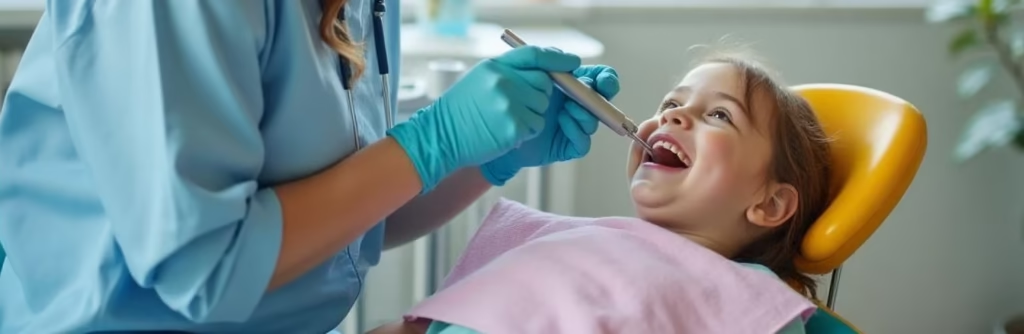
As a general rule, many children do well with a dental checkup about every six months. That rhythm gives us the chance to monitor growth and development, clean away plaque and tartar, reinforce home care, and catch small concerns early while they are easy to manage. Professional organizations highlight that visit frequency should be tailored to your child’s age, oral health status, and risk for tooth decay. The American Academy of Pediatric Dentistry recommends a personalized recall interval based on risk, often every three, six, or twelve months, rather than a one schedule fits all approach [1]. The American Dental Association also supports customized scheduling with many families returning for a periodic visit twice a year [3].
If you are searching for a pediatric dentist Laguna Niguel families can count on, it is completely reasonable to start with the six month pattern and adjust as we learn more about your child’s needs. You can always ask at any visit whether your child’s next appointment should be sooner, right on the six month mark, or safely a bit later based on current findings.
Regular pediatric dental checkups are part of a larger preventive plan that includes cavity risk assessments, reinforcement of daily brushing with fluoride toothpaste, nutrition guidance, and at the right times, fluoride varnish and dental sealants. These steps work together to reduce the chance of tooth decay, which remains one of the most common chronic diseases of childhood in the United States [4].
When should my child have a first dental visit?
We recommend establishing a dental home by age one, or within six months of the first tooth erupting. The dental home is an ongoing relationship between the child, parent or caregiver, and the dental team that delivers comprehensive, continuously accessible, coordinated care [2]. Early visits let us:
- Check early development so erupting teeth and jaw growth are progressing normally [1].
- Spot early risk such as white spot lesions, enamel defects, or habits like frequent night time bottle use that increase cavity risk [1].
- Guide home care such as brushing with a smear of fluoride toothpaste for toddlers and using a rice sized amount until age three and a pea sized amount thereafter, unless advised otherwise by your pediatric dentist [1].
- Plan fluoride varnish when helpful, especially for children with elevated risk for cavities [5].
For new parents, a first visit can be very short and focused on comfort. We often do a knee to knee exam to keep your child close to you. We talk about teething, diet, and routines, and we answer your questions. Early starts set the tone for calm, positive visits over time.
How do risk factors change how often we come in?
Two children the same age may need different visit schedules. That is because dental disease risk varies with home care, diet, medical history, and past experience with cavities. The AAPD periodicity schedule recommends tailoring recall intervals to risk level to prevent progression of disease [1]. Here are common reasons we may suggest a shorter interval.
- History of cavities or early demineralization Children who have had decay are more likely to have new lesions and often benefit from exams and cleanings every three to four months until the disease is controlled [1].
- Limited fluoride exposure Homes without optimally fluoridated water or children not using fluoride toothpaste consistently may benefit from more frequent preventive visits and professional fluoride varnish [5].
- Diet high in fermentable carbohydrates Frequent snacking on sugary or starchy foods creates extended acid attacks on enamel. Closer follow up helps reinforce small habit changes that protect teeth [1].
- Orthodontic appliances Braces and other appliances make hygiene more challenging. More frequent checkups allow tailored home care coaching and preventive support [1].
- Medical or developmental conditions Some children have conditions or medications that reduce saliva or complicate daily brushing. A personalized schedule helps manage risk safely and comfortably [1].
For children with low risk, we may extend the interval to nine or twelve months while continuing to monitor habits and growth. Your child’s interval can change over time as risk drops or rises, and we will discuss the reasoning openly so you feel comfortable with the plan.
What happens at routine pediatric dental checkups?
Most visits follow a friendly, predictable pattern so your child knows what to expect. We keep explanations simple, show before we do, and go at a pace that suits your child’s age and comfort. A typical visit includes:
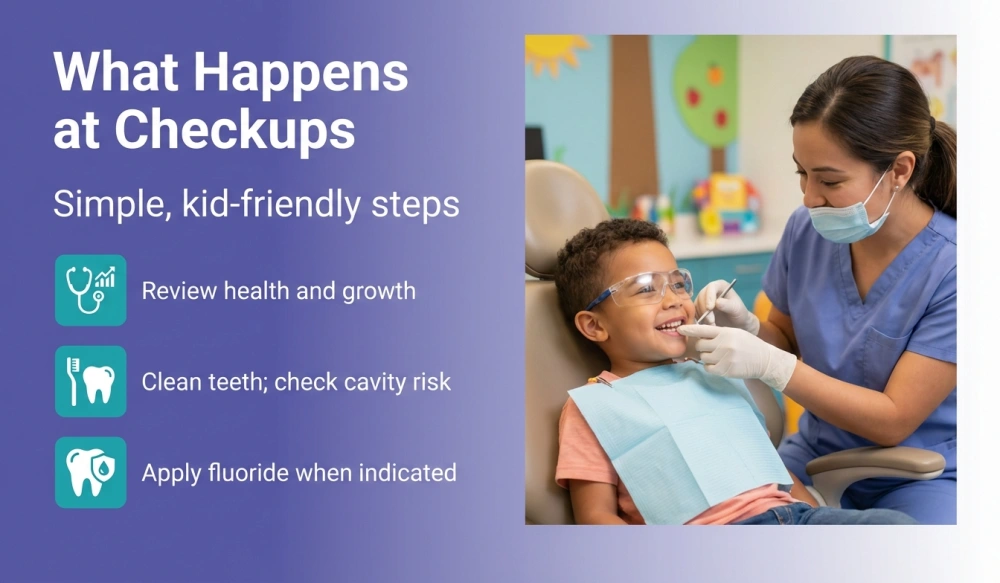
- Health update We ask about medical history changes, medications, allergies, and any recent dental concerns [1].
- Growth and development exam We check eruption patterns, bite, jaw growth, and oral tissues. We look for habits like thumb or finger sucking and review options to guide them gently when needed [1].
- Professional cleaning We remove plaque and tartar build up that daily brushing and flossing can miss, then polish the teeth if appropriate [1].
- Cavity risk assessment We evaluate diet, fluoride exposure, protective factors, and any early signs of demineralization so we can recommend targeted prevention steps [1].
- Fluoride varnish We apply varnish when indicated to strengthen enamel and reduce decay risk, especially for younger children and those with higher risk [5].
- Radiographs when indicated We only take X rays when they are expected to provide useful clinical information that changes care, consistent with national guidelines on patient selection and radiation safety [8] [9].
- Home care coaching We personalize tips for brushing and flossing, make age appropriate suggestions for toothpaste and tools, and encourage confident, independent habits over time [1].
Children’s dental exams are also a chance to celebrate wins and to make small adjustments. If brushing before school is tough, we might suggest moving the routine to a time when your child is more alert. If a certain toothpaste flavor is a barrier, we can help you try alternatives. The goal is steady progress, not perfection overnight.
How are fluoride treatments used for children?
Fluoride strengthens enamel and helps prevent and even reverse early stages of decay. For children at increased risk for cavities, the United States Preventive Services Task Force recommends that primary care clinicians apply fluoride varnish to the primary teeth starting at tooth eruption, with repeat applications according to risk and clinical judgment [5]. High quality evidence supports the effectiveness of fluoride varnish in reducing tooth decay in children and adolescents [6].
At a visit, fluoride varnish takes just a minute or two to apply and hardens quickly on contact with saliva. Children can eat and drink afterward, with simple same day instructions. We also review daily fluoride toothpaste use. The AAPD offers age based guidance on toothpaste amounts and supports fluoride use within a caries risk management plan [7]. If you have questions about swallowing toothpaste or the right fluoride level for your child, we will walk you through it step by step.
When are dental sealants recommended for kids?
Sealants are thin protective coatings placed in the grooves of back teeth to block out plaque and food particles. They are most commonly recommended for the permanent first and second molars soon after they erupt, generally around ages six and twelve. Evidence shows that sealants can prevent most cavities in the chewing surfaces of molars when maintained properly [10]. Placement is quick and does not require numbing. We keep you informed about when your child’s molars are ready and how to maintain sealants over time.
When are dental X rays recommended for children?
Dental X rays are an important tool, but they are not taken at every visit. The decision is always individualized. National guidelines from the American Dental Association and the Food and Drug Administration emphasize selecting patients for radiographs based on age, dental development, and risk for disease, and using the lowest radiation that reasonably achieves diagnostic quality [8]. The AAPD provides pediatric specific guidance to help dentists choose appropriate timing and types of images for infants, children, adolescents, and patients with special health care needs [9].
For example, we may take bitewing X rays to look between back teeth for cavities once adjacent surfaces are touching and if risk is moderate or high. For low risk children with clean exams, we may lengthen the interval. If a front tooth was bumped and is changing color, a targeted periapical X ray could clarify what is happening below the surface. We discuss the clinical reason for each image and answer your questions before we proceed.
What signs mean we should schedule a dental visit sooner?
Life happens between six month visits. If you notice any of the concerns below, it is wise to contact a pediatric dentist promptly so we can assess and help. You do not need to wait for the next routine checkup.
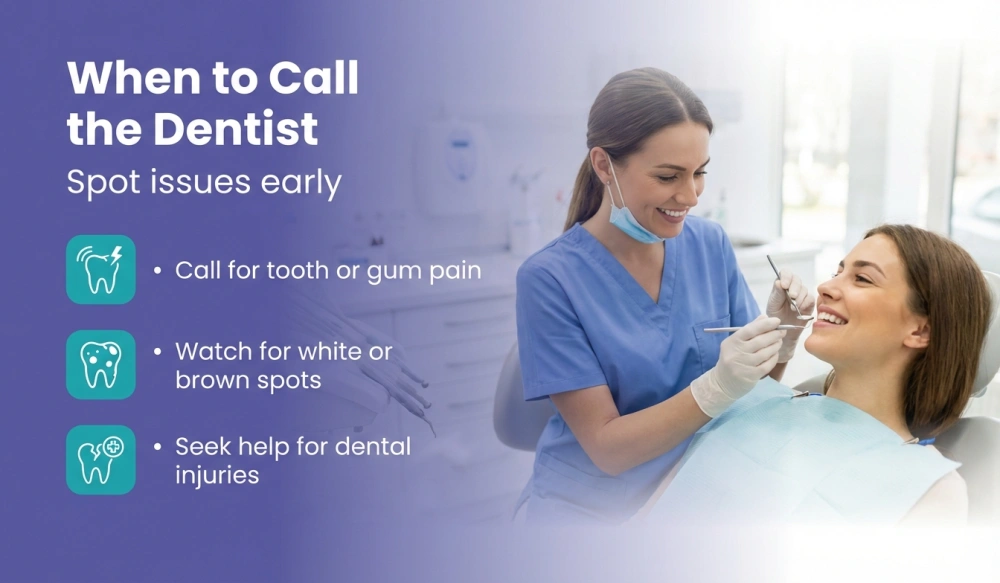
- Tooth or gum pain Pain is not typical and deserves a timely look, even if it seems to come and go.
- White or brown spots on teeth Early white spots near the gum line can be the first sign of demineralization. Brown spots may indicate deeper decay.
- Bleeding gums Bleeding during brushing or flossing can signal gingival inflammation and may be improved with coaching and a professional cleaning.
- Dental trauma A chipped, loosened, or displaced tooth after a fall or sports impact should be evaluated as soon as possible.
- Mouth sores or lesions Sores that persist beyond two weeks should be examined.
- Bad breath that persists Ongoing halitosis can be related to plaque, caries, or other causes worth checking.
- Changes in bite or jaw comfort New clicking, popping, or shifting of the bite merits an exam.
Our goal is to help you decide when to watch and when to come in. If you are unsure, call and we will guide you through next steps calmly and clearly.
How do regular dental visits support whole child health?
Healthy teeth and gums support nutrition, speech development, self confidence, and learning. Children with untreated cavities can experience pain, infections, and difficulty eating or sleeping. National data show that cavities are common in early childhood and remain widespread in school age children and teens [4]. Preventive visits allow us to lower risk, treat small problems early, and keep kids smiling and comfortable in daily life.
Sealants reduce the chance of molar decay, and fluoride varnish strengthens enamel on all tooth surfaces. Together with daily home care, these tools have a strong evidence base for protecting oral health [6] [10]. Regular exams also support early detection of developmental differences, habits that affect the bite, and breathing or airway patterns we may want to monitor in collaboration with your pediatrician.
How should families in Laguna Niguel plan dental care?
Families in Laguna Niguel, California can plan with confidence by combining national guidelines with practical local steps.
- Start by age one Create a dental home early and ask your pediatric dentist about risk based recall intervals rather than assuming the same schedule for every child [1] [2].
- Use local resources If your child has Denti-Cal coverage, routine exams and cleanings are included benefits, and the program outlines preventive services children can access at regular intervals [12].
- Plan around school and activities Many families find before school, early afternoon, or late afternoon appointments work best. We are happy to help you secure consistent times that fit your routine.
- Build a prevention calendar Set reminders for brushing and flossing, and for upcoming checkups. A visible family calendar helps children anticipate visits in a positive way.
If you are looking for kids dentist Laguna Niguel appointments that fit your schedule, our team will work with you to find convenient times. We value predictable routines for children and aim to keep visits efficient without rushing your child’s experience.
Kids dental checkups in Laguna Niguel
How can parents prepare kids for a positive dental visit?
Preparation makes a big difference. You can help your child approach visits with curiosity and confidence by creating simple, repeatable routines.
- Talk about what to expect Use positive, age appropriate words. You might say, The dentist will count your teeth, clean them, and show us how to keep them strong.
- Practice at home Take turns playing dentist by counting teeth in a mirror. Practice opening wide for a few seconds at a time and celebrate small wins.
- Pick a comfort item A favorite stuffed animal or small blanket can help children feel secure in a new place.
- Time it well Choose appointment times when your child is typically well rested and fed. Bring a snack for after the visit if helpful.
- Model calm Children take cues from you. If you have dental worries, let us know privately so we can support both of you.
- Use simple rewards Stickers or a trip to the park after an appointment reinforce positive experiences without making the visit feel like a test.
We are here to support you with scripts, visuals, and strategies that fit your child’s temperament and developmental stage. Over time, visits often become familiar and even fun.
What about emergencies, pain, or dental injuries?
If your child has sudden pain, swelling, fever, a knocked out or displaced tooth, or trauma to the mouth or jaw, call a pediatric dentist right away. Some situations are time sensitive. For example, a permanent tooth that is completely knocked out may have a better prognosis if reimplanted promptly. We will provide guidance on what to do immediately and arrange care. Our office can accommodate same day emergency visits when clinically appropriate, and we can coordinate with your pediatrician or urgent care when necessary.
Even outside urgent situations, it is always appropriate to call with concerns. We would rather answer questions early than have you worry. For toddlers, falls are common. Brief phone guidance may be all you need. If your child is in orthodontic treatment, broken brackets or poking wires also deserve quick attention. Your emergency pediatric dentist will help you decide on next steps based on age, the tooth involved, and symptoms.
What questions do parents in Laguna Niguel ask most often?
Should my child have a dental checkup every six months?
Many children do well with a six month rhythm, and that is a common starting point. The AAPD recommends tailoring the interval to your child’s risk for disease, which could mean every three, six, or twelve months depending on current findings [1]. Ask your pediatric dentist at each visit whether the next one should be sooner or later.
When should we start using fluoride toothpaste?
Use a smear the size of a grain of rice when the first tooth erupts, and a pea sized amount starting around age three, unless your dentist recommends otherwise based on your child’s needs. Fluoride toothpaste and in office varnish are supported by strong evidence and national recommendations for cavity prevention in children [5] [6] [7].
Are dental X rays safe for kids?
Yes when used judiciously. Dentists follow national guidelines to take X rays only when they are expected to provide information that guides care, and they use the lowest radiation necessary to achieve a useful image. This includes protective measures and careful selection of image type and frequency based on age and risk [8] [9].
Do sealants really work?
Yes. Sealants are highly effective in preventing decay in the grooves of molars when placed and maintained properly. Public health data show that sealants can prevent most molar cavities over several years [10].
What if my child is very anxious about dental care?
We use a tell show do approach, desensitization techniques, and gentle communication to build trust. For children who need extra support, pediatric dentists can discuss behavior guidance options, including minimal or moderate sedation when appropriate and after a careful review of benefits, risks, and alternatives [1].
When do permanent molars and other adult teeth come in?
First permanent molars often erupt around age six and second molars around age twelve, though timing varies. Regular exams help us track eruption and place sealants at the right time to protect these teeth [1].
What age groups benefit from different recall intervals?
Infants and toddlers benefit from early visits for risk assessment and guidance, with intervals based on risk. School age children and teens often do well with semiannual visits, but shorter intervals are common when risk is higher due to diet, past decay, or orthodontic appliances. The AAPD periodicity schedule is designed to be flexible for exactly this reason [1].
How do dental visits fit with pediatric well child care?
Pediatricians and dentists both emphasize prevention. The Bright Futures schedule encourages oral health risk assessment in medical well visits beginning in infancy, which complements early dental visits and helps families reinforce oral health at home [11].
Why choose Kidz Modern Dentistry in Laguna Niguel for your child?
At Kidz Modern Dentistry, our mission is to make every visit positive, informative, and tailored to your child. We serve families in Laguna Niguel, California and nearby South Orange County communities. Here is how we approach care so you know what to expect next.
- Connected preventive care We emphasize preventive dentistry for kids through age appropriate exams, cleanings, fluoride varnish, and sealants when indicated. We use a risk based recall schedule so you are not over or under scheduled.
- Same day help when needed We reserve time for same day emergencies for children. If your child has pain, swelling, or an injury, call us and we will guide you calmly through next steps.
- Kid friendly comfort options Our team is trained in proven behavior guidance techniques and offers kid friendly sedation when appropriate. We explain options clearly so you can make informed decisions that fit your child.
- Clear communication We explain what we see and why we recommend certain steps. You get practical guidance to keep daily routines simple and effective.
- Modern tools and gentle techniques We use current materials and methods designed for pediatric care, including comfortable hygiene tools and child sized equipment.
- Local access and flexible scheduling We offer convenient appointment times for families in Laguna Niguel. If your child does best at a certain time of day, we work hard to accommodate that preference.
- Personalized support for every age From toddlers to teens, we adapt how we communicate, how we examine, and how we coach home care so each child feels seen and supported.
- A track record of collaborative care We coordinate with pediatricians, orthodontists, and other specialists when it benefits your child’s health. You have direct access to a pediatric focused team that knows your child well.
If you are planning a first visit or wondering whether your child should be seen more or less often, we are happy to help you decide. Call us at +19492730110 to talk through your child’s needs and schedule a visit that fits your family. We look forward to meeting you and making dental visits a positive part of your child’s routine.
References
- Periodicity of Examination, Preventive Dental Services, Anticipatory Guidance, and Oral Treatment for Infants, Children, and Adolescents – American Academy of Pediatric Dentistry
- Policy on the Dental Home – American Academy of Pediatric Dentistry
- Regular Dental Visits for Overall Health – American Dental Association MouthHealthy
- Children’s Oral Health Fast Facts – Centers for Disease Control and Prevention
- Prevention of Dental Caries in Children Younger Than 5 Years Screening and Interventions – U.S. Preventive Services Task Force
- Topical Fluoride for Preventing Dental Caries in Children and Adolescents – Cochrane Library
- Use of Fluoride – American Academy of Pediatric Dentistry
- Dental X Rays Oral Health Topics – American Dental Association
- Prescribing Dental Radiographs for Pediatric Patients – American Academy of Pediatric Dentistry
- Dental Sealants Protect Against Cavities – Centers for Disease Control and Prevention
- Bright Futures Periodicity Schedule – American Academy of Pediatrics
- Covered Benefits for Children – Denti-Cal Program California Department of Health Care Services
Common Questions About This Topic
Find answers to frequently asked questions related to this article.