- What makes modern pediatric dentistry different today?
- How does kid friendly technology help reduce fear and discomfort?
- How are digital X rays for children safer and more precise?
- What is laser dentistry for kids and when is it used?
- Can numbing be needle free for kids and what are gentler options?
- When is pediatric sedation appropriate and how is safety managed?
- How do preventive treatments like fluoride and sealants protect kids teeth?
- What minimally invasive treatments can stop early cavities without drilling?
- How do we support children with sensory needs or dental anxiety?
- What should parents know about tongue tie and laser frenectomy?
- What happens during a same day emergency visit for a child?
- How do local and California regulations help protect your child in the dental office?
- How can parents prepare kids for a smooth first visit?
- Why does choosing a nearby childrens dentist in South Orange County matter?
- Why choose Kidz Modern Dentistry in Laguna Niguel for your childs care?
- Where can you find the sources and references for this guide?
What makes modern pediatric dentistry different today?
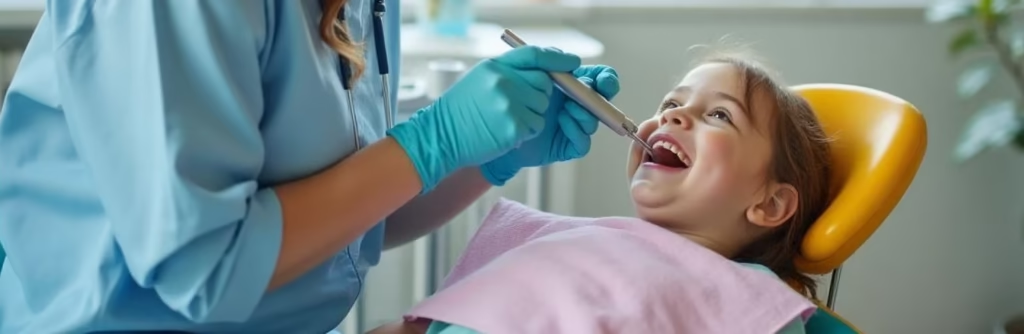
Modern pediatric dentistry blends proven science with technology that helps children feel calm, comfortable, and understood. Instead of focusing only on fixing problems, today’s approach emphasizes prevention, growth and development, and positive behavior guidance so kids learn healthy habits early. You will notice smaller instruments for little mouths, digital tools that reduce radiation, and care plans tailored to each child’s age, health history, and comfort level. The American Academy of Pediatric Dentistry supports personalized, prevention first strategies, including careful use of X rays following the principle of keeping exposure as low as reasonably achievable [1].
Parents in Laguna Niguel and surrounding communities often ask how modern care translates into a better visit for their child. The answer is that updated tools work hand in hand with child centered communication, evidence based prevention, and safer protocols backed by national and state guidance from respected organizations such as the AAPD, the Food and Drug Administration, and the California Department of Public Health [2] [14]. Throughout this guide, we will explain what the technology does, when it is used, and what you can expect as a parent.
How does kid friendly technology help reduce fear and discomfort?
Technology is only helpful if it actually makes your child’s experience easier. Pediatric teams use tools designed for comfort, clear communication, and shorter appointments. For example, digital cameras and scanners let your child see what the dentist sees, which turns the visit into a learning moment instead of a mystery. Smaller handpieces and quiet instruments help reduce startling noises. Calm explanations and tell show do techniques are part of behavior guidance supported by the AAPD, and they work best when combined with gentle technology that supports each step of care [8].
Parents also appreciate that modern equipment helps reduce the need for invasive treatment. More accurate images can catch early changes before they turn into larger problems. Preventive materials, like high quality sealants and fluoride varnish, are easier to place than ever, and most children tolerate them well. National recommendations show that fluoride varnish and sealants can significantly reduce the risk of cavities in children when used as part of a comprehensive plan [3] [4] [5].
How are digital X rays for children safer and more precise?
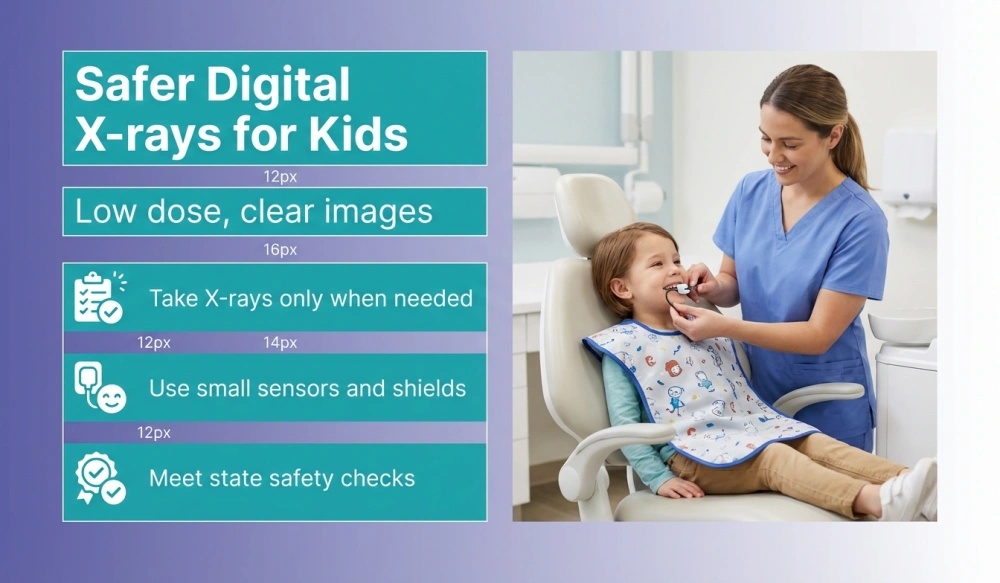
Digital X rays are an important part of dental care because they help your dentist find problems that are not visible during a routine exam, such as cavities between teeth or issues with growing teeth. Current best practices recommend taking X rays only when they are likely to affect diagnosis and treatment, and choosing the smallest appropriate image with protective shielding to minimize exposure [1] [2]. Digital systems typically require less exposure than traditional film while producing clearer images that can be enlarged and shared with you during the visit.
California also provides guidance to dental offices on safe operation of X ray equipment and quality assurance programs. The state’s Radiologic Health Branch offers resources for training, equipment checks, and safety practices so that children receive imaging only when needed and under well controlled conditions [14]. When your children’s dentist in Laguna Niguel recommends an image, you can expect a clear explanation of why it is needed, what type of picture will be taken, and how protective measures will be used.
What is laser dentistry for kids and when is it used?
Lasers are used in pediatric care for soft tissue procedures such as releasing a tight lip or tongue attachment and for small gum contouring needs. Some offices also use lasers as part of cavity management or for desensitizing areas before minor care. The AAPD describes how lasers can potentially reduce bleeding, lower the need for stitches, and shorten chair time for certain soft tissue procedures when used by trained providers with appropriate safety measures [11]. Your dentist will recommend a laser only when it adds value to the specific procedure and patient.
Kids often find laser procedures easier to handle because there may be less vibration and fewer sounds compared to traditional methods. Your dentist will provide protective eyewear and a simple step by step explanation before beginning. As with any tool, laser use is customized to your child’s needs and is not a one size fits all solution.
Can numbing be needle free for kids and what are gentler options?
Many families ask about needle free ways to make care more comfortable. In some cases, topical anesthetics, behavior techniques, and noninvasive treatments make it possible to complete a visit without a traditional injection. When numbing is needed, dentists may use technology that delivers anesthetic more slowly and precisely, along with distraction and vibration techniques that can reduce the sensation of the injection. These approaches are part of a gentle dental care plan tailored to your child.
For some types of treatments, materials and methods like silver diamine fluoride can halt early decay without drilling or injections. The AAPD supports the selective use of silver diamine fluoride for arresting active caries in primary teeth, especially when cooperation is limited or traditional treatment would be more stressful for the child [7]. Your dentist will review benefits and considerations with you, including the appearance of the treated area, so you can make an informed choice together.
When is pediatric sedation appropriate and how is safety managed?
There are times when even the most careful behavior guidance and local numbing are not enough, such as for very young children, those with significant anxiety, or children who need complex procedures. In these situations, mild options like nitrous oxide or deeper levels of sedation may be considered. Nitrous oxide, sometimes called laughing gas, is a safe and widely used method for reducing anxiety and improving cooperation during care when delivered following established best practices [9].
Decisions about sedation follow clear national guidelines. The AAPD, together with medical partners, publishes detailed recommendations for monitoring and management before, during, and after pediatric sedation. These include careful patient selection, fasting instructions when appropriate, continuous monitoring of breathing and heart function, trained personnel, and emergency readiness [10]. Discussing questions and expectations with your dentist helps you decide if this path is right for your child.
Pediatric sedation dentistry can be a helpful bridge for some families, allowing necessary care to be completed safely and with less stress for the child and parent. If sedation is recommended, your team will explain the plan, what your child will feel, how monitoring works, and what to expect after the visit.
Laguna Niguel pediatric sedation dentistry is offered with attention to state permit requirements, staff training, and the comfort of children and families. If you would like to explore whether this option makes sense for your child, start with a conversation about needs, goals, and the steps involved.
How do preventive treatments like fluoride and sealants protect kids teeth?
Strong prevention begins at home with brushing, flossing, and smart snack choices, and it continues at the dental office with targeted professional care. Fluoride varnish strengthens enamel and lowers cavity risk, especially in children at higher risk for decay. Public health authorities recommend fluoride varnish for young children as part of a comprehensive plan directed by a dental professional [3] [4].
Dental sealants protect the grooves of back teeth where most childhood cavities start. Evidence based guidelines from the American Dental Association support placing sealants on susceptible permanent molars in children and adolescents to help prevent and stop early decay [5]. Many families also ask about materials. The ADA reports that any exposure to substances like BPA from dental materials is extremely low and well below established safety limits, and that the benefits of preventing cavities are significant for oral health [6]. If you prefer BPA free materials, talk with your dentist about available options that meet your child’s needs.
Preventive visits are also a chance to personalize your child’s care. The dentist will assess cavity risk, home care habits, diet, and growth patterns to decide when fluoride and sealants are likely to offer the most benefit. You will receive simple, practical coaching so home care feels doable for your family schedule.
What minimally invasive treatments can stop early cavities without drilling?
Minimally invasive dentistry focuses on preserving healthy tooth structure while managing disease. For early cavities, options include sealants placed over beginning grooves, fluoride varnish applications, and silver diamine fluoride to stop active decay on baby teeth in select situations [7]. Your child’s dentist may also recommend interim treatments that buy time for a child to grow and develop better brushing skills before moving to more traditional restorative care.
These approaches are not a replacement for all fillings. They are tools chosen for specific cases based on your child’s age, risk level, and ability to cooperate. When a filling or crown is the better choice, modern materials and techniques aim for comfort, durability, and a natural look while keeping the appointment as short and calm as possible.
How do we support children with sensory needs or dental anxiety?
Every child experiences the dental environment differently. Bright lights, new sounds, and the feeling of gloved hands can be unfamiliar. Pediatric teams use behavior guidance strategies such as clear explanations, modeling, choice making, and positive reinforcement to help children feel in control. The AAPD describes a spectrum of behavior guidance methods, from simple communication techniques to protective stabilization and pharmacologic support, used only when necessary and with parental involvement [8].
For children with special health care needs, a customized plan considers sensory sensitivities, communication preferences, and any medical conditions. The AAPD provides best practices for adapting the dental setting, coordinating with medical providers, and creating desensitization plans when appropriate [15]. If your child benefits from visual schedules, noise reduction headphones, comfort objects, or shorter visits, let the team know in advance so the visit can be designed around your child’s strengths.
What should parents know about tongue tie and laser frenectomy?
A tight or restrictive frenum under the tongue or lip can sometimes affect feeding, speech development, or oral hygiene. Evaluation includes a careful exam and a discussion of symptoms and function. The AAPD policy on the frenulum acknowledges that some children benefit from release and that decisions should be based on function, not appearance alone [11]. When treatment is indicated, a laser or scissors may be used to release the tissue.
Parents often ask about recovery. Most children tolerate a short procedure well, especially when it is paired with comfort measures and age appropriate behavior guidance. Your dentist will review simple aftercare steps and coordinate with feeding specialists, lactation consultants, or speech professionals when needed so the benefits of the procedure are supported by therapy and home exercises.
What happens during a same day emergency visit for a child?
Dental injuries and urgent toothaches can be stressful. Offices that manage pediatric emergencies aim to see children quickly so pain is relieved and problems do not worsen. When you call, describe what happened and when symptoms started. If a tooth has been completely knocked out, time is critical. International guidelines recommend prompt action and specific steps for different types of injuries, which your dentist will guide you through by phone and in person [12].
At the visit, the team will stabilize your child’s comfort, take focused images only if needed, and explain findings in simple terms. Follow up care may include protective coverings, antibiotics only when indicated, or referral for specialized treatment. If your child is prone to sports injuries, ask about custom mouthguards designed to protect growing smiles during play.
How do local and California regulations help protect your child in the dental office?
State and national standards provide multiple layers of safety in pediatric dental care. In California, dentists who provide moderate or deep sedation must hold specific permits, maintain appropriate monitoring equipment, and complete regular training and inspections. The Dental Board of California outlines permit categories and safety requirements that practices must meet to offer these services [13]. This adds a safeguard so families know trained professionals are in place when sedation is used.
Imaging safety is also regulated. The California Department of Public Health provides guidance for dental X ray programs, including staff training, machine inspections, and record keeping, so your child’s exposure is kept as low as reasonably achievable while still obtaining diagnostic information [14]. Your dentist follows these frameworks in combination with national recommendations from dental and medical organizations to make decisions that balance benefits and risks for your child.
How can parents prepare kids for a smooth first visit?
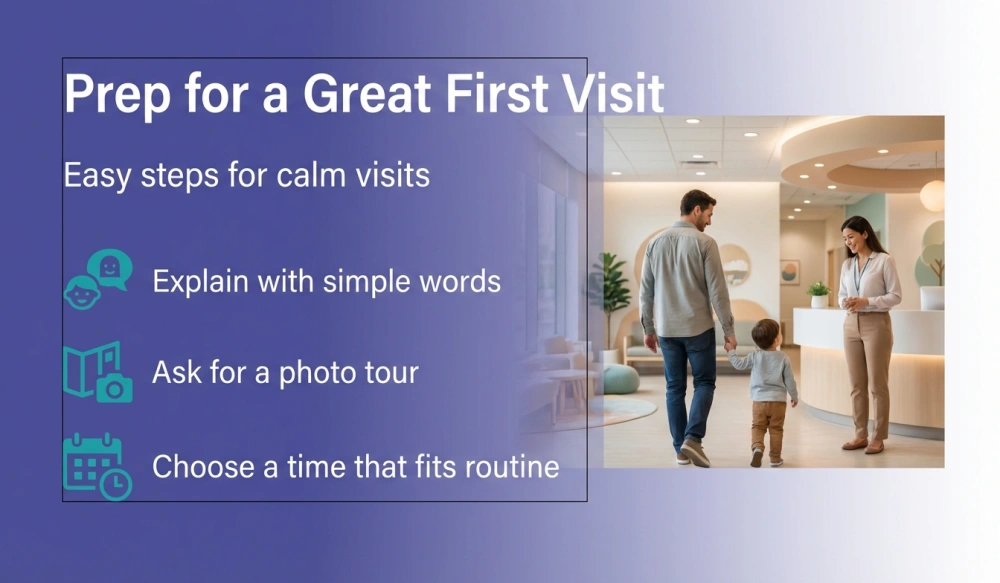
Preparation can turn first visits into positive memories. Use simple words to explain what will happen, such as counting teeth and taking pictures. Read a short story together about visiting a dentist. If your child does well with predictability, ask the office for a photo tour or a brief meet and greet so the environment feels familiar. Avoid promising that nothing will happen, and instead say that the dentist will show and tell before doing anything.
Share information with your dental team in advance about any past medical experiences, sensory preferences, or medications. Bring comfort items and a list of questions. If your child naps or has regular snacks, choose an appointment time that aligns with their daily rhythm. During the visit, your supportive presence and calm voice will help your child feel secure.
Why does choosing a nearby childrens dentist in South Orange County matter?
Choosing a nearby childrens dentist makes routine care and urgent visits more manageable for busy families. If you live in Laguna Niguel, Laguna Beach, Aliso Viejo, Laguna Hills, San Juan Capistrano, or Mission Viejo, proximity means shorter drives, easier school pickups, and care that reflects local community resources. It also supports continuity. The same team who knows your child’s history can respond quickly when questions or urgent needs arise.
When you search for a pediatric dentist near me, consider both expertise and the environment. Look for child centered communication, clear explanations, modern imaging with low exposure, and a preventive philosophy that fits your family. Ask about fluoride treatments for children, BPA free dental sealants, and minimally invasive options like silver diamine fluoride for early cavities. If your child has anxiety or special health care needs, ask how the office adapts visits to support comfort and success.
Why choose Kidz Modern Dentistry in Laguna Niguel for your childs care?
Kidz Modern Dentistry helps families in Laguna Niguel and South Orange County feel confident about dental visits. Our approach blends advanced tools with a warm, easy to understand style so kids learn to trust the process. We care for children from their first tooth through adolescence, and we welcome complex needs with thoughtful planning and collaboration.
We offer Pediatric sedation dentistry when it is the safest and most supportive path for your child, following national guidelines that prioritize careful monitoring and trained personnel at every step [10]. We also provide same day visits for urgent concerns so children get timely relief and parents know what to expect next.
- Personalized prevention We emphasize prevention first with risk assessments, fluoride treatments for children, and BPA free dental sealants when indicated, all explained in parent friendly language with practical at home tips [3] [5] [6].
- Comfort centered care We use digital X rays for children when clinically appropriate, with protective measures and small sensors designed for little mouths, and we explain each step in kid friendly terms [1] [2].
- Kid friendly technology Our tools include quiet handpieces, soft tissue lasers for selected procedures, and options for gentle numbing to help appointments feel easier [11].
- Support for unique needs We design sensory friendly dental visits and behavior guidance dentistry plans that respect each child’s strengths and sensitivities, including coordination with medical and therapy teams when needed [8] [15].
- Emergency readiness We are a same day emergency dentist for kids resource, using focused assessments and guidance aligned with international dental trauma recommendations [12].
Our doctors and clinical team bring years of combined experience serving children in Laguna Niguel, Laguna Beach, Aliso Viejo, Laguna Hills, San Juan Capistrano, and Mission Viejo. Families have trusted us with everything from first tooth visits to complex treatment plans that require coordination with physicians and specialists. We believe in clear communication, parent involvement, and shared decisions.
If you have questions about Laguna Niguel Pediatric sedation dentistry, preventive care, or how we adapt visits for sensory sensitivities, we are here to help you explore options and plan next steps. Call us at +1 949 273 0110 to schedule a visit or to ask about same day availability for urgent needs.
Where can you find the sources and references for this guide?
- Prescribing Dental Radiographs for Pediatric Dental Patients – American Academy of Pediatric Dentistry
- Dental Radiographic Examinations Recommendations for Patient Selection and Limiting Radiation Exposure – U.S. Food and Drug Administration
- Fluoride Varnish in Clinical Settings – Centers for Disease Control and Prevention
- Prevention of Dental Caries in Children Younger Than 5 Years – U.S. Preventive Services Task Force
- Pit and Fissure Sealants Clinical Practice Guideline – American Dental Association
- Bisphenol A in Dental Materials – American Dental Association
- Policy on the Use of Silver Diamine Fluoride for Pediatric Dental Patients – American Academy of Pediatric Dentistry
- Behavior Guidance for the Pediatric Dental Patient – American Academy of Pediatric Dentistry
- Use of Nitrous Oxide for Pediatric Dental Patients – American Academy of Pediatric Dentistry
- Monitoring and Management of Pediatric Patients Before During and After Sedation – American Academy of Pediatric Dentistry
- Policy on the Management of the Frenulum in Pediatric Dental Patients – American Academy of Pediatric Dentistry
- Guidelines for Managing Traumatic Dental Injuries – International Association of Dental Traumatology
- Anesthesia and Sedation Permits – Dental Board of California
- Dental X ray Program Information – California Department of Public Health
- Management of Dental Patients With Special Health Care Needs – American Academy of Pediatric Dentistry
Common Questions About This Topic
Find answers to frequently asked questions related to this article.