
- What are probiotics and how could they relate to kids oral health?
- How does the pediatric oral microbiome develop and why does it matter?
- What does current research say about probiotics for cavity prevention in children?
- Which probiotic strains have been studied for pediatric oral health?
- Can probiotics support gum health for children and reduce inflammation?
- How do probiotics fit with fluoride, sealants, and standard prevention?
- Are kids probiotic toothpaste, lozenges, or drinks helpful?
- What safety considerations should parents know before giving probiotics to children?
- How should diet, hygiene, and professional care work together with probiotics?
- What practical steps can parents take to try oral probiotics responsibly?
- How do United States and California regulations view probiotics for children?
- When should you contact a kids dentist in Laguna Niguel for guidance?
- What questions should you ask before starting a probiotic for oral health?
- How can you evaluate labels and quality for children dental probiotics?
- What are common myths about probiotics and kids teeth?
- What are the limits of the evidence and what research is on the horizon?
- How does Kidz Modern Dentistry partner with Laguna Niguel families on preventive care?
- Where can you review the sources used in this article?
What are probiotics and how could they relate to kids oral health?
Probiotics are live microorganisms that, when given in adequate amounts, may provide a health benefit to the host. This definition comes from joint guidance by the Food and Agriculture Organization of the United Nations and the World Health Organization [1]. In dentistry, the idea is that helpful bacteria could support a balanced oral environment in children, sometimes called oral microbiome balance. Researchers are exploring whether specific strains might help manage cavity risk, gum concerns, or even oral malodor by competing with harmful microbes, producing beneficial substances, or supporting a healthier biofilm [2].
For parents, the key takeaway is that probiotics for kids oral health are being studied, but they are not a magic fix. Good daily habits and regular professional care remain the foundation of prevention for children [3][4].
How does the pediatric oral microbiome develop and why does it matter?
The pediatric oral microbiome begins developing early in life and shifts with tooth eruption, diet, hygiene, and exposures such as antibiotics or illness. As teeth erupt, surfaces for plaque biofilm form, and microbes like Streptococcus mutans may colonize if sugars are frequent and hygiene is inconsistent. A balanced microbiome tends to be diverse and less dominated by acid loving species that drive enamel breakdown [3][4].
For your child, this means daily choices matter. Frequent sugary drinks and snacks make the mouth more acidic, which encourages bacteria that cause decay. On the other hand, water, fiber rich foods, and brushing with fluoride toothpaste support a friendlier environment for teeth and gums [4][5].
What factors influence a child’s oral microbiome most?
- Diet patterns Frequent sugars and ultra processed snacks raise acid production and caries risk [11].
- Brushing and flossing Regular plaque removal reduces harmful biofilm buildup and supports gum health for children [3].
- Fluoride exposure Community water fluoridation and fluoride toothpaste strengthen enamel and slow early decay [4][12].
- Saliva flow Adequate saliva helps neutralize acids and maintain a stable environment [3].
- Antibiotic exposure Medications can shift oral and gut flora, which sometimes changes short term balance [2].
What does current research say about probiotics for cavity prevention in children?
Studies on probiotics for cavity prevention in children show mixed but promising signals. Some controlled trials and reviews report reductions in Streptococcus mutans counts or early lesion progression, while others find small or uncertain effects. A systematic review and meta analysis concluded that certain probiotic strains can modestly reduce caries associated bacteria and markers, though clinical outcomes like fewer new cavities are less consistently demonstrated across trials [6][8].
Several factors explain the variability. Strains differ, doses vary, delivery formats range from lozenges to dairy drinks, and study durations are often short. Many products sold as children’s dental probiotics have not been tested in the exact form, dose, and schedule used in published trials. Because probiotics are marketed as dietary supplements in the United States, they are not reviewed by the Food and Drug Administration for effectiveness before sale [9]. For these reasons, experts recommend using probiotics as a possible adjunct, not a replacement, to proven measures like fluoride use, sealants, balanced diet, and routine dental visits [4][5][12].
Which probiotic strains have been studied for pediatric oral health?
Most research in this area focuses on a few strains. While you may see many brand names, the scientific literature usually identifies strains by species and strain codes. Not all strains within a species act the same way.
What evidence exists for Lactobacillus reuteri for oral health?
Trials using Lactobacillus reuteri in lozenge form have reported reductions in gingival inflammation and plaque scores in school age populations, although study conditions and strains vary. For example, a controlled study found that daily lozenges with Lactobacillus reuteri reduced clinical signs of gingivitis over the test period compared with placebo, suggesting a potential role as an adjunct to hygiene [7]. These findings relate to short term gum outcomes rather than long term cavity outcomes, and they should be weighed alongside regular brushing with fluoride toothpaste and professional cleanings [4].
Could Streptococcus salivarius strains help with cavity risk factors?
Streptococcus salivarius M18 has been studied for its ability to colonize the mouth and produce enzymes that may counter harmful biofilm activity. A randomized trial in children reported favorable changes in markers like plaque acidity and mutans streptococci counts after daily use compared with placebo, though long term caries reduction was not definitively shown [8].
Do all products with these species work the same way?
No. Benefits appear to be strain specific and dose dependent. Products need to match the strains and amounts used in published studies. Labels that list only a species without the exact strain code make it difficult to compare with research findings [2][6].
Can probiotics support gum health for children and reduce inflammation?
Gingivitis is common in children and adolescents and is mainly managed with good brushing, flossing, and professional cleanings. Some clinical trials suggest probiotics can reduce bleeding on probing and plaque scores when used in addition to hygiene, particularly with Lactobacillus reuteri formulations [7]. Results vary, and benefits tend to be measured over weeks rather than years. Probiotics should be viewed as a possible complement to daily care for gum health for children, not a substitute for hands on brushing education and routine care [4].
How do probiotics fit with fluoride, sealants, and standard prevention?
Probiotics do not replace proven tools like fluoride and sealants. Fluoride strengthens enamel and can help reverse early decay. Dental sealants protect the chewing surfaces of back teeth where many cavities start. National and professional recommendations support these measures for children based on strong evidence [4][5][12]. Using probiotics alongside fluoride and sealants may be reasonable as part of a personalized plan, with the understanding that the added benefit of probiotics remains under study [6].
In short, probiotics for cavity prevention should be an addition to, not a replacement for, daily brushing with fluoride toothpaste, smart snacking, and regular dental visits. Pediatric preventive dentistry remains the core framework for keeping children’s mouths healthy across childhood and adolescence.
Are kids probiotic toothpaste, lozenges, or drinks helpful?
Children’s dental probiotics come in many forms, including lozenges, powders, dairy drinks, and kids probiotic toothpaste. Evidence is strongest for specific lozenges used in clinical trials, while data for toothpastes and beverages are more limited and variable. In the United States, most of these products are marketed as dietary supplements and are not reviewed for effectiveness before sale [9]. Product labels may not clearly list strain codes or viable counts at the end of shelf life, both of which are important for evaluating potential benefit [2].
What should you look for when choosing a product format?
- Strain identification Look for exact strain codes that match published studies, not just species names [2][6].
- Viable count Seek products that disclose colony forming units expected at the end of shelf life, not only at manufacture [2].
- Sugar content Avoid sweetened products that could undermine goals to reduce tooth decay in kids [11].
- Fluoride content If using toothpaste, verify appropriate fluoride for your child’s age. An evidence based toothpaste typically includes fluoride as the active anticaries ingredient [4][12].
What safety considerations should parents know before giving probiotics to children?
Probiotics are widely used and generally have a favorable safety record in healthy children, with most reported effects being mild digestive symptoms. That said, rare infections have been reported in vulnerable individuals, and careful screening is advised for children who are immunocompromised, have central lines, or have serious health conditions. A large safety review found that while serious events are uncommon, product quality and host factors matter, and professional guidance is wise before starting supplements in children [10][2].

When should you talk with your pediatrician or dentist first?
- Medical complexity Children with chronic illnesses, immune concerns, or recent hospitalizations should have a tailored plan [10].
- Medication use If your child takes regular medications, ask about interactions or timing with probiotics [2].
- Allergies and intolerances Check for dairy or other allergens in probiotic carriers and choose suitable formulations [2].
How should diet, hygiene, and professional care work together with probiotics?
A whole mouth plan is still the best approach. Probiotics can be part of a broader routine centered on home hygiene, fluoride exposure, and routine exams. Public health data show that early prevention and consistent habits strongly influence outcomes for children [4].
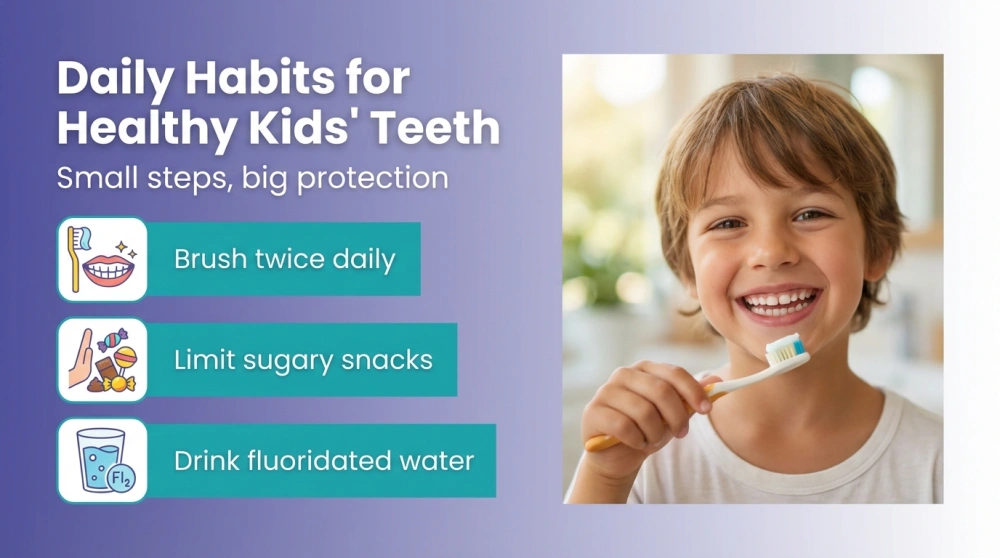
What daily habits make the biggest difference?
- Brush twice daily Use a smear or pea sized amount of fluoride toothpaste by age as recommended by your dental professional [4].
- Limit frequent sugars Offer water and tooth friendly snacks to support oral microbiome balance [11].
- Drink fluoridated water Community water fluoridation helps protect teeth over time [12].
- Schedule routine checkups Exams allow early guidance, sealant placement when indicated, and timely care [5].
What practical steps can parents take to try oral probiotics responsibly?
If you are considering probiotics for kids oral health, a few practical steps can help you move forward thoughtfully.
- Discuss goals Share your child’s risk factors and goals with your dentist. Ask whether a probiotic could complement the plan [4][5].
- Choose evidence informed strains Consider products that list strains studied for oral outcomes such as Lactobacillus reuteri or Streptococcus salivarius M18, when appropriate [7][8].
- Check quality details Look for clear strain codes, viable counts through shelf life, storage instructions, and manufacturer contact information [2].
- Monitor and record Track use, any changes, and dental feedback at follow ups. Share observations at your next visit [2].
Probiotics are not a replacement for Pediatric preventive dentistry. They may be a helpful add on for select children, guided by individual risk and professional advice.
How do United States and California regulations view probiotics for children?
In the United States, most probiotics are regulated as dietary supplements rather than as drugs. The Food and Drug Administration does not review supplements for effectiveness before they reach the market. Companies are responsible for ensuring safety and truthful labeling. Claims must not state that a supplement diagnoses, treats, cures, or prevents disease. Structure function claims are allowed with a required disclaimer, and the company must have substantiation for the claim [9].
In California, advertising for health services must be truthful and not misleading. The California Business and Professions Code sets provisions regarding professional advertising and prohibits false or deceptive statements. Dentists follow these standards in communications about services and products, including discussions of adjuncts like probiotics [13][14].
Because of these frameworks, families should expect careful, evidence based communication that is clear about what is known, what is uncertain, and what steps are supported by strong data.
When should you contact a kids dentist in Laguna Niguel for guidance?
Reach out if your child has frequent cavities, gum bleeding, new white spot lesions, or if you are considering children’s dental probiotics and want a personalized plan. Families who prefer local care can speak with a Laguna Niguel pediatric dentist to align probiotics with daily hygiene, diet, fluoride, and sealant choices. If you have questions about timing alongside antibiotics or other medications, call your dental team so they can coordinate with your pediatrician [4][5].
If you are seeking an evidence based roadmap for Pediatric preventive dentistry in Laguna Niguel, our team can discuss options that fit your child’s needs and comfort.
What questions should you ask before starting a probiotic for oral health?
- Which strain and dose Which exact strain and colony count are recommended and for how long [2][6].
- Delivery format Is a lozenge, powder, or toothpaste most appropriate for my child and why [2].
- Safety fit Does my child have any conditions that would make probiotics less appropriate [10].
- Core care How will we maintain fluoride use, diet guidance, sealants when indicated, and checkups while trying probiotics [4][5][12].
- Measuring progress What signs should we monitor and when should we follow up to reassess [2].
How can you evaluate labels and quality for children dental probiotics?
Label transparency is essential, especially for products aimed at kids. Check for information that maps to published research and safety guidance [2].
What label details matter most?
- Strain code Look for identifiers such as DSM or ATCC numbers that tie to research publications [2].
- Colony counts Verify viable cells through the end of shelf life rather than only at manufacture [2].
- Storage and handling Follow instructions for refrigeration or temperature control to preserve viability [2].
- Inactive ingredients Review sweeteners and allergens, especially if your child has sensitivities [2].
- Third party oversight Consider products that participate in independent quality testing. For toothpaste, review whether the product meets professional standards for fluoride content and has been evaluated by recognized programs when applicable [4][15].
What are common myths about probiotics and kids teeth?
- Myth Probiotics replace brushing and fluoride. Reality They may complement care, but brushing with fluoride toothpaste and routine visits remain essential [4][12].
- Myth Any probiotic brand will help. Reality Benefits are strain specific, and products must match research strains and doses to be comparable [2][6].
- Myth Probiotics are risk free for all children. Reality Most healthy kids tolerate them well, but special situations require medical guidance [10].
- Myth Sweetened probiotic drinks are good for teeth. Reality Added sugars can feed harmful bacteria and increase risk of decay [11].
What are the limits of the evidence and what research is on the horizon?
Current research suggests potential benefits for specific strains and outcomes, such as reductions in mutans streptococci or gingival bleeding over short periods. However, many studies are small, vary in methods, and do not follow children long enough to track new cavity formation comprehensively. More rigorous, longer trials that measure clinical outcomes are underway or needed. Future research will likely focus on optimized combinations of strains, ideal dosing schedules, and how probiotics interact with fluoride and sealants over time [6].
Parents can stay informed by discussing updates at checkups and by focusing on habits with strong evidence. Strong prevention now may reduce problems later, regardless of whether probiotics are part of the plan [4][5].
How does Kidz Modern Dentistry partner with Laguna Niguel families on preventive care?
At Kidz Modern Dentistry, we help parents make sense of evolving topics like the pediatric oral microbiome and children’s dental probiotics while keeping the focus on daily habits that protect smiles. Our office serves families in Laguna Niguel and nearby communities throughout Orange County. We provide a calm, child centered setting with same day attention for urgent needs, comfortable sedation options when appropriate, and comprehensive preventive visits tailored to each age group.
Our approach is practical and team oriented. We explain how proven tools like fluoride, sealants, and brushing routines fit together with possible adjuncts such as probiotics for cavity prevention. We respect family preferences and medical histories, and we coordinate with pediatricians when needed so that choices are safe and aligned with your child’s overall care. When parents ask about kids probiotic toothpaste or lozenges, we review the latest evidence and help evaluate labels, strains, and daily routines.
Here is how we support you step by step.
- Personalized prevention We assess diet, hygiene, saliva, and caries risk, then build clear daily plans with measurable goals.
- Clear education We explain what probiotic research currently shows, where it is still developing, and how to monitor progress responsibly.
- Comfort focused visits We use gentle techniques and kid friendly communication so children feel safe and engaged during cleanings and exams.
- Coordinated care We align recommendations with your child’s medical needs and school or activity schedules.
- Access and support You can reach our team at +1 949 273 0110 with questions between visits, and we offer guidance for home routines.
For families exploring options, Pediatric preventive dentistry is our foundation for long term oral wellness. We work to make each visit informative, kind, and productive, so you leave with confidence about next steps.
We welcome parents and caregivers who want a thoughtful plan for their children. If you prefer local guidance, Laguna Niguel Pediatric preventive dentistry conversations can happen right here in our neighborhood office. We will walk through choices, from fluoride and sealants to diet and any adjuncts you wish to consider, always with a focus on safety, clarity, and realistic expectations.
Our team brings years of combined experience in caring for infants, toddlers, school age children, and teens. We partner with families to create daily routines that fit real life and help kids build lifelong skills. If you have immediate concerns or a new spot on a tooth, call us. If you simply want a checkup and coaching on prevention, we are here for that too. We aim to give every child the tools to smile with comfort and confidence.
Where can you review the sources used in this article?
- Guidelines for the Evaluation of Probiotics in Food – FAO and WHO
- Probiotics: What You Need To Know – National Center for Complementary and Integrative Health
- Dental Caries in Children – National Institute of Dental and Craniofacial Research
- Children’s Oral Health Fast Facts – Centers for Disease Control and Prevention
- Prevention of Dental Caries in Children Younger Than 5 Years – USPSTF Recommendation
- Probiotics for Managing Caries and Periodontal Diseases: Systematic Review and Meta analysis – Journal of Dentistry via PubMed
- Effect of Probiotic Lozenges Containing Lactobacillus reuteri on Gingivitis – PubMed
- Streptococcus salivarius M18 in Children: Randomized Trial on Caries Risk Factors – PubMed
- Dietary Supplements Overview – U.S. Food and Drug Administration
- Safety of Probiotics to Reduce Risk of Infection – Agency for Healthcare Research and Quality
- Guideline: Sugars Intake for Adults and Children – World Health Organization
- Community Water Fluoridation – Centers for Disease Control and Prevention
- California Business and Professions Code Section 651 – California Legislative Information
- California Dental Practice Act Laws and Regulations – Dental Board of California
- ADA Seal of Acceptance Program – American Dental Association
Common Questions About This Topic
Find answers to frequently asked questions related to this article.
